


Planning a Newborn Space in a Small Home: Furniture Choices That Actually Work
Not every family has a spare room ready to become a dream nursery. Many new parents live in apartments, share a bedroom with the baby or have only one corner to work with. The good news is that a newborn does not need much space.
What a newborn needs is a safe place to sleep, a spot to be changed, a comfortable place to feed and somewhere to keep their things. With smart furniture choices, all of this can fit into a small area without making the home feel crowded.
This guide breaks a small newborn space into simple zones and explains which furniture works best in each one.
Start With a Measured Plan
Before you buy anything, measure the space you have. Note the width of the wall, the distance from the bed to the door and where the outlets and windows are. A rough sketch on paper is enough.
Keep these points in mind while planning:
- Leave a clear walking path, especially for night trips.
- Keep the baby's sleep space away from windows, blind cords and heaters.
- Place lamps and electrical items out of reach of the sleep area.
- Think about where daylight falls during nap times.
Once you know your layout, you can choose furniture that fits instead of forcing pieces into the room.
Zone 1: The Sleep Zone
For the first months, health experts recommend that babies sleep in the parents' room on their own sleep surface. This makes the sleep zone the most important part of a small newborn setup. In many homes, it sits right beside the parents' bed.
A bedside bassinet is a great fit for small rooms. It takes up far less floor space than a full crib. Models with adjustable heights can make it easier to position the bassinet beside your bed. Always follow the manufacturer's instructions for proper setup and safe sleep, particularly for models with adjustable or drop-down sides. Babies should sleep on their own separate, firm, flat sleep surface.
Look for these features when choosing one:
|
Feature |
Why It Helps in a Small Space |
|
Compact footprint |
Fits next to the bed without blocking the walkway |
|
Adjustable height |
Allows positioning beside different bed heights when used according to the manufacturer's instructions |
|
Locking wheels |
Rolls to another room for daytime naps |
|
Mesh sides |
Good airflow and a clear view of the baby |
|
Storage basket underneath |
Holds diapers and sheets without extra furniture |
Keep the sleep space bare. Use only the firm, flat mattress and fitted sheet approved for your baby's sleep product. Avoid pillows, bumpers, loose blankets, toys, and additional padding. Always place babies on their backs for sleep.
Zone 2: The Changing Zone
Babies go through a lot of diapers, often ten or more a day in the early weeks. You need a spot where changes are quick and safe. In small homes, a dedicated changing table is not always the best use of space.
Space-saving changing options include:
- A changing pad on a dresser specifically designed or approved for that purpose
- A properly installed wall-mounted fold-down changing table
- A changing pad on the floor, providing a simple option that requires no additional furniture
Whichever option you choose, follow the manufacturer's safety instructions and never leave your baby unattended during a diaper change.
Zone 3: The Feeding Zone
You will spend many hours feeding your baby, day and night. A comfortable spot makes a big difference to your back and your patience. It does not have to be a large glider.
A small armchair or even a corner of your bed with good pillows can work well. Add a side table for water, burp cloths and your phone. A soft lamp with a warm bulb is better than a bright ceiling light for night feeds.
If you are bottle-feeding, the feeding zone also extends to the kitchen. Bottles, nipples and caps pile up quickly. A compact bottle washer sterilizer and dryer can sit on the kitchen counter and handle cleaning in one cycle, which saves space you would otherwise need for drying racks and separate sterilizers.

Zone 4: The Storage Zone
Baby items seem small, but they add up fast. Clothes, blankets, diapers, bath items and toys all need a home. Without a plan, they spread across every surface.
Smart storage ideas for small spaces:
- Use drawer dividers to sort tiny clothes by size.
- Hang a fabric organizer on the back of a door.
- Use under-bed boxes for extra diapers and outgrown clothes.
- Choose furniture with built-in storage, like a dresser with a changing top.
- Add a few wall shelves, placed well away from the sleep area.
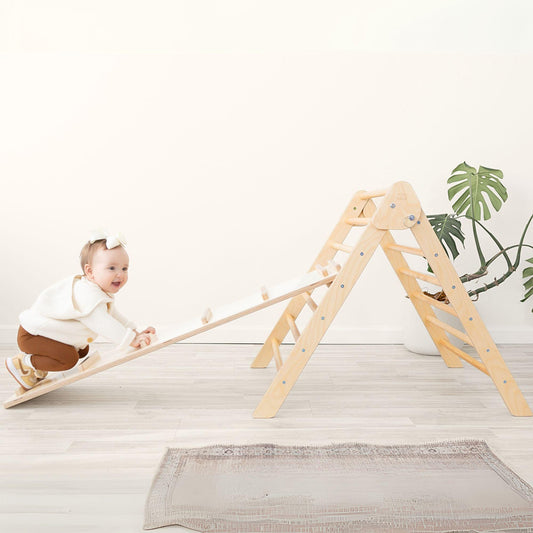
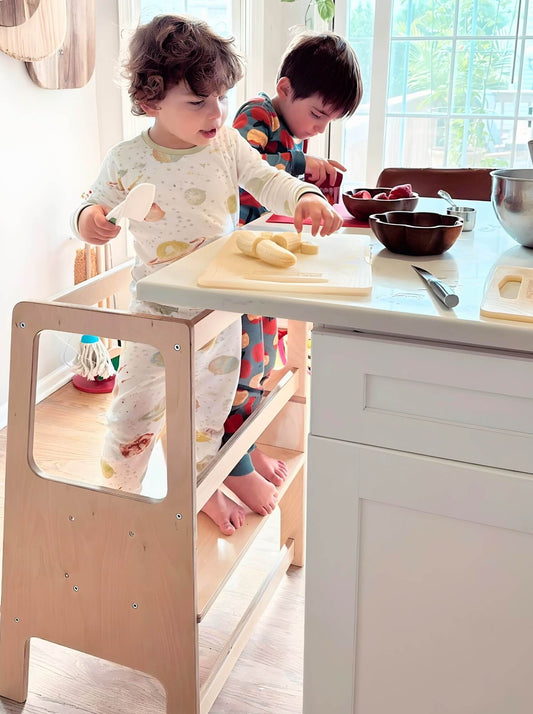
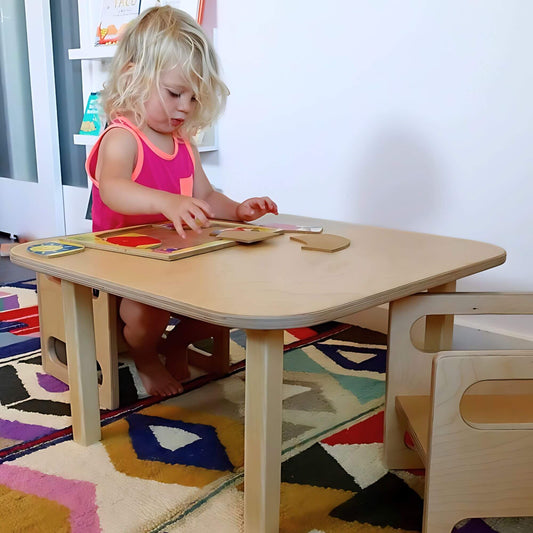
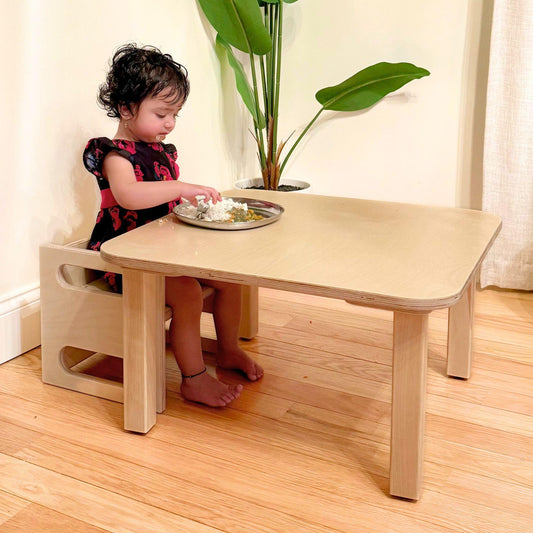
Low, open shelving is another practical option, especially for families creating a Montessori-inspired space. During the newborn stage, these shelves can hold baskets of diapers, blankets, and other essentials, kept safely out of the baby's reach. As your child grows, the same shelves can transition into accessible storage for toys, books, and learning materials, encouraging independence and making it easier for children to choose and put away their belongings. Explore our Montessori shelves and storage for furniture designed to grow with your child. Be sure to secure shelving against tipping and keep potentially hazardous items out of reach.
Go through baby clothes every few weeks. Babies outgrow sizes quickly, and clearing old items keeps storage under control.
Choose Furniture That Does More Than One Job
In a small home, every piece of furniture should earn its place. Multi-use furniture is the easiest way to save space without giving anything up. It also tends to last longer, since it adapts as the baby grows.
Good examples of furniture that does double duty:
- A dresser that works as a changing station now and regular storage later
- A bassinet approved by its manufacturer for use both beside the parents' bed and as a standalone sleep space
- A storage ottoman that serves as a footrest during feeds
- A bookshelf that holds diapers now and books and toys later
- A convertible crib that can later become a toddler bed
When you shop, ask how long you will use each item. A piece you use for three years is often a better buy than one you outgrow in three months.
Make the Space Feel Calm
A small space can feel cramped if it is too busy. A calm look helps both you and the baby rest. It does not take much effort or money.
Stick to a soft, simple color palette, like light neutrals, soft greens or pale blues. Use blackout curtains to help with daytime naps. Keep the floor as clear as possible so the room feels open.
Add a few personal touches, like framed photos or a small plant placed out of reach. These make the space feel like home without adding clutter.
Furniture to Buy Now vs Later
You do not need every piece of baby furniture on day one. Buying in stages saves money and space. Here is a simple guide:
|
Buy Before Birth |
Can Wait a Few Months |
|
Bassinet or bedside sleeper |
Full-size crib |
|
Changing pad and storage for diapers |
Toy storage |
|
Comfortable feeding chair or pillows |
Play mat and activity gym |
|
Basic dresser or drawer space |
High chair |
Safety Tips for Every Small Space
A small space can be just as safe as a large one with a little care. Anchor dressers and shelves to the wall to prevent tipping. Keep cords from blinds and baby monitors well out of reach.
Use corner guards on low tables if the baby will spend time on the floor later. Check every piece of furniture for sharp edges and loose parts. Follow the bassinet manufacturer's developmental, height, weight, and age limits, and transition your baby to an appropriate crib or other approved sleep space as soon as any applicable limit is reached. Some bassinets must be discontinued when a baby begins rolling, pushing up, or reaching other developmental milestones, so always follow the instructions for your specific model. Safety rules matter more than looks.
Final Thoughts
A newborn space does not need to be big to work well. It needs to be planned. When you divide a small room into clear zones and choose furniture that does more than one job, everything has its place.
Start with a safe sleep spot, add a changing and feeding area, and build storage over time. Your baby will be comfortable, and your home will still feel like yours.





 Off
