


Encouraging Kids to Explore Sports at Home
Share
Getting kids involved in sports does not require formal teams or structured programs right away. In many cases, the best starting point is at home. A familiar environment reduces pressure and allows kids to explore movement at their own pace.
The focus should be on building comfort with physical activity. Once that foundation is in place, skills and interest develop naturally.
You’re not just helping your child move more, you’re helping them build confidence in their body and independence in how they play. That foundation often shapes how they approach new challenges later on.
Create a Space That Supports Movement
Kids are more likely to stay active when movement is easy and accessible. This starts with setting up a space that encourages activity without requiring constant setup.
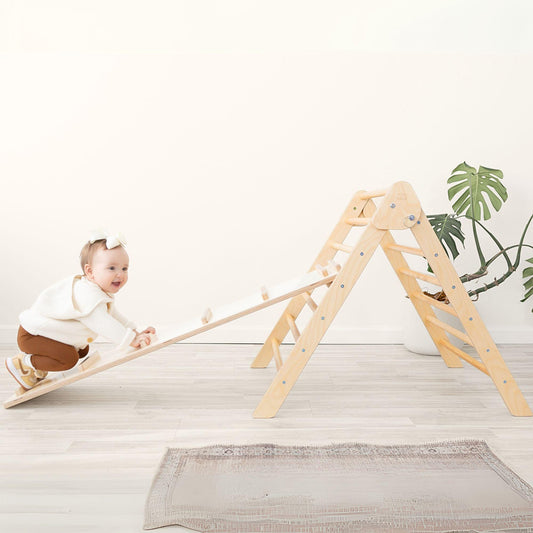
You do not need a full playroom or large outdoor area. Even small spaces can support movement if they are organized properly. For example, a small living room with a soft mat and a simple climbing structure can become a daily movement space without needing a full playroom.
Clear floor space, remove obstacles, and keep basic equipment within reach. The goal is to reduce friction so kids can start playing without assistance.
Simple Setup Ideas
- Open floor space for running, jumping, or stretching
- Soft surfaces or mats to reduce impact
- Storage that keeps equipment easy to access
A well-prepared space makes activity feel like a natural part of the day.
Support Physical Development With Climbing and Balance Tools
Movement is not limited to traditional sports. Climbing, balancing, and coordination exercises build the same foundational skills.
Tools like climbing triangles are designed to support these areas. They encourage kids to explore movement through climbing and balance in a controlled environment.
These types of activities improve strength, coordination, and confidence. They also provide variety, which helps maintain interest over time.
Having a dedicated climbing structure available throughout the day often becomes the anchor for movement at home, something kids return to again and again on their own.
Adding this type of equipment creates more opportunities for movement without requiring structured training.
Focus on Play Instead of Structure
Structured training can come later. At home, the priority is exploration.
Kids respond better to activities that feel like play rather than instruction. When movement feels self-directed like this, kids are far more likely to stay engaged longer without needing prompts or screens to stay occupied. Games that involve movement, coordination, and balance help develop core skills without pressure.
This approach builds confidence. When kids feel comfortable, they are more willing to try new activities.
Avoid overcorrecting or turning every activity into a lesson. Let them experiment and find what they enjoy.
Use Equipment That Builds Basic Skills
You do not need specialized sports gear to get started. Basic equipment can support a wide range of activities.
Balls, cones, and lightweight objects are enough to introduce movement patterns like throwing, catching, and coordination.
Simple, kid-friendly sports equipment from brands like QBounce can give children more ways to practice their skills and stay active through play.
These fundamentals apply across different sports. Developing them early makes it easier for kids to transition into more structured activities later.
Keep equipment simple and adaptable. Items that can be used in multiple ways provide more value.
Encourage Movement Through Daily Routines
Consistency matters more than intensity. Short, regular periods of activity are more effective than occasional long sessions.
Build movement into daily routines. This could be a quick game after school or active play before dinner.
Easy Ways to Add Activity
- Set aside 10 to 15 minutes for movement-based games
- Use simple challenges like jumping or balancing tasks
- Rotate activities to keep things interesting
These habits create a routine without making activity feel forced.
Make It Social and Engaging
Kids are more likely to stay active when they are engaged. Involving siblings or parents makes activities more enjoyable.
Group play introduces elements like teamwork, competition, and cooperation. These are important for both physical and social development.
Even simple games become more engaging when multiple people are involved. The focus should remain on participation, not performance.
Introduce Light Structure Gradually
The goal isn’t to teach sports at home, it’s to build a body that’s ready for them.
As kids become more comfortable, you can introduce basic structure. This might include simple drills or short practice sessions.
Keep it flexible. The goal is to guide, not control.
Introduce one concept at a time, such as passing accuracy or balance. Avoid overwhelming them with too many instructions.
Progress should feel natural, not forced.
Use Clothing to Support Comfort
Comfort plays a role in how kids engage with activity. Restrictive or uncomfortable clothing can limit movement and reduce participation.
Lightweight, flexible clothing allows kids to move freely. It also makes it easier to transition between activities.
For example, wearing casual athletic gear like hockey jerseys can make movement feel more natural while also helping kids connect with sports visually. This can increase interest and engagement.
The goal is to remove any barriers that make activity less appealing.
Monitor Progress Without Pressure
Progress should be observed, not forced. Kids develop at different rates, and comparing them to others can reduce motivation.
Pay attention to improvements in coordination, confidence, and willingness to try new activities. These are better indicators than performance metrics.
Encouragement should focus on effort and participation. This builds a positive relationship with physical activity.
Keep Variety in Activities
Repetition can lead to boredom. Rotating activities keeps things interesting and exposes kids to different movement patterns.
Ways to Maintain Variety
- Alternate between different types of games and exercises
- Introduce new equipment occasionally
- Change the environment when possible
Variety helps maintain engagement and supports broader skill development.
Final Take
When kids enjoy moving, everything else, skills, coordination, and confidence, tends to follow naturally.
Encouraging kids to explore sports at home starts with creating the right environment. Simple setups, flexible activities, and consistent routines make movement part of everyday life.
The focus should be on comfort, exploration, and gradual development. When kids enjoy the process, they are more likely to stay active and build lasting habits.





 Off
Off
