


Family-Friendly Home Tips for Healthy Living
Share
Your home has a bigger say in your family’s health than it gets credit for. It can make good choices feel almost automatic, or it can quietly drain everyone with clutter, stale air, poor sleep, and too many screens. Most families do not need a dramatic lifestyle overhaul. They need practical changes that work on a regular Tuesday.
This guide brings together healthy home tips, family-friendly home ideas, healthy living at home, tips for a healthy family, and home wellness tips in a way that feels realistic. In one family nutrition program, healthy lifestyle scores rose from 25.5 to 27.3 in 12 weeks. Small steps can work. That is the encouraging part.
Foundations for a Healthy, Family-Friendly Home
If healthy living at home begins anywhere, it starts with the spaces your family uses every single day. The air you breathe, the light you wake up to, the kitchen you gather in, and the bedroom you sleep in all matter.
A healthier home does not have to look perfect. It does not need to be expensive, either. What helps most is a steady rhythm of simple habits that reduce stress and make healthier choices easier to repeat.
Air, Light, and Daily Rhythm
Indoor air is easy to ignore until someone is sneezing, coughing, or waking up stuffy. Open windows when the weather cooperates. Replace HVAC filters on schedule. Use bathroom fans after showers. Keep shoes near the door so less dirt, pollen, and grime get tracked through the house.
Light matters, too. Morning sunlight can help energy and mood. Softer evening lighting can signal that the day is winding down. Try a simple flow: open the blinds, make the beds, reset the kitchen, and start with a glass of water. Nothing fancy. Just dependable.
Wellness Support Beyond the Front Door
A healthy home also means knowing when your family needs support outside of it. When you are trying to schedule primary care, keep up with preventive visits, or understand insurance options, finding care providers near you can make the whole process feel less scattered.
Look for providers who listen, explain things clearly, and help you stay on top of ongoing care. That kind of support turns home wellness tips into something broader: a family health plan you can actually use.
A Quick Home Baseline
Before you buy storage bins, gadgets, air monitors, or another “life-changing” organizer, take a slow walk through your home. Notice what feels tense.
Is the kitchen always crowded? Are bedrooms too bright at night? Does the bathroom stay damp? Is the living room built more for scrolling than connecting?
Once you see the main pressure points, it becomes much easier to choose changes that will actually help.
Practical Healthy Home Tips for Every Room
The best healthy home tips fit the way your family already lives. You are not aiming for a showroom. You are aiming for a home that supports better meals, easier sleep, cleaner air, and calmer routines without adding more pressure.
Kitchen Wellness Upgrades
Make healthy food easier to see and grab. Keep fruit on the counter. Put cut vegetables at eye level in the fridge. Move sugary snacks to a less obvious place so no one has to fight temptation every time they walk through the kitchen.
Use glass or stainless-steel containers when you can, especially for hot foods. A little meal prep helps, but it does not need to be a full Sunday production. Even one weekly “use what we have” dinner can cut waste and improve nutrition.
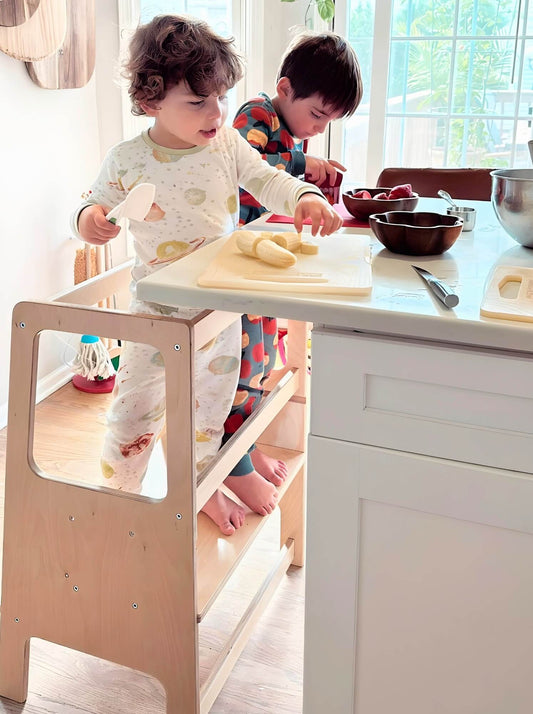
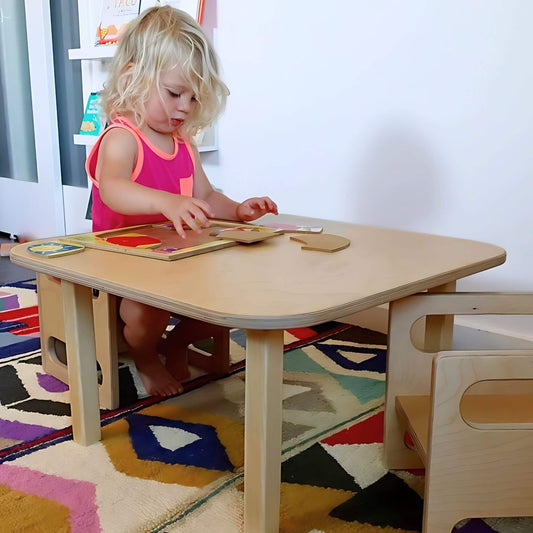
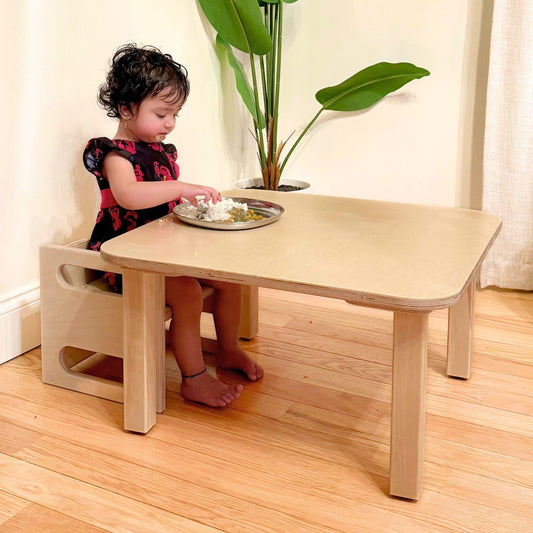
Child-sized furniture can make these routines even easier. A learning tower gives younger children a safe way to help prepare meals, while a child-sized table provides a comfortable space for snacks, food prep, crafts, and family activities that build independence.
Bedroom and Sleep Sanctuary Enhancements
Bedrooms should be calm. Honestly, they should be a little boring, in the best possible way. Wash bedding often, use allergen-friendly pillow covers, and keep electronics away from pillows so sleep is not competing with one more video.
If dust, pets, or seasonal allergies are common in your home, a small air purifier may help. Keep bedrooms cool, dark, and quiet enough that sleep feels natural instead of forced.
Living Room and Bathroom Wellness
Shared rooms take a lot of wear. Choose low-odor paints when possible, washable rugs, and furniture that is easy to wipe down. A few sturdy indoor plants can soften a room, as long as they are safe for your household and not another chore waiting to happen.
Accessible toy shelves and bookshelves also help children take ownership of their space. When toys and books are easy to reach and put away, cleanup becomes part of the daily routine instead of a constant reminder from parents.
Bathrooms need moisture control more than decoration. Use fans, wipe wet surfaces, repair leaks quickly, and keep simple cleaners nearby so quick cleanups are easy to do
Family-Friendly Home Ideas That Boost Daily Health
Good habits stick when the home helps them along. The most useful family-friendly home ideas are the ones kids and adults can repeat without nagging, complicated charts, or a big weekend reset that falls apart by Tuesday night.
Movement and Tech-Free Time
You do not need a home gym. A hallway can become a stretching spot. A garage can hold jump ropes. A backyard can turn into a quick after-dinner game zone.
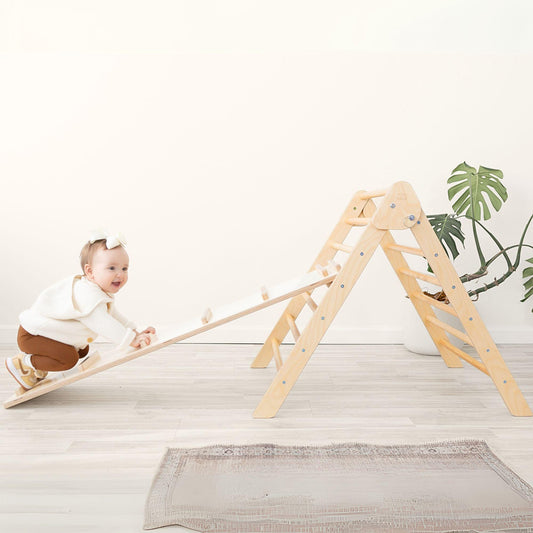
Indoor movement matters too. Climbing equipment, balance activities, and open floor space encourage children to stay active even when the weather keeps everyone inside, while helping build confidence, coordination, and gross motor skills.
Families in one structured healthy weight program saw children lose about 4% of body mass while parents or guardians lost closer to 7% in 12 weeks. That is a useful reminder: shared routines often work better than asking each person to go it alone.
Calm Corners and Stress Relief
Every busy home needs one quiet place. It could be a chair by a window, a basket of books, a yoga mat, or a small table with crayons and puzzles.
For stress relief, keep scents gentle. Some families like lavender or citrus, but strong essential oils are not always safe around babies, pets, or people with breathing issues unless a professional says they are okay.
Sustainable and Safer Living
Simple green habits can also become tips for a healthy family. Refill soap dispensers. Use washable towels. Put recycling bins where kids can reach them. Compost food scraps if your area supports it.
Energy-saving bulbs, better ventilation, and fewer harsh cleaners can support healthy living at home while reducing clutter and waste. These changes may not look dramatic, but they build up quietly over time.
Once your home supports movement, calm, and cleaner living, routines become the glue.
Quick Actionable Tips for a Healthy Family Routine
Long-term progress usually comes from repeating the basics. Not from a massive makeover. Keep routines short enough to survive school mornings, late workdays, sick days, and yes, the occasional pizza night.
Morning and Evening Rituals
In the morning, open blinds, drink water, eat something with protein, and do one quick reset before leaving. It is not glamorous, but it helps.
At night, dim the lights, charge phones outside bedrooms, and prepare one small thing for tomorrow. A calmer evening often creates a smoother morning. Funny how that works.
Weekly and Monthly Check-Ins
Once a week, wipe high-touch surfaces, plan a few meals, and clear one clutter zone. Once a month, check filters, smoke alarms, medicine dates, and cleaning supplies.
These home wellness tips keep your home from sliding into chaos. They also make health feel like a shared family effort instead of one person’s invisible job.
Common Questions About a Healthier Family Home
What are the 7 principles of healthy homes?
The main principles are keeping a home dry, clean, safe, well-ventilated, pest-free, well-maintained, and free from harmful pollutants. These basics help reduce illness, injuries, mold, allergens, and everyday stress inside the home.
What is the 5 4 3 2 1 healthy lifestyle?
The 5 4 3 2 1 idea usually means daily goals: fruits and vegetables, water, screen limits, movement, and sleep. Families can adapt it by setting simple targets that fit age, schedule, budget, and real life.
What is one easy first step for a healthier home?
Start with the room your family uses most. Clear clutter, improve airflow, wipe surfaces, and make one healthy choice easier to see. A small win builds momentum faster than trying to fix the whole house at once.
Final Thoughts
A healthy home is not about perfection. It is not about buying every wellness product that shows up in your feed, either. It is about cleaner air, safer rooms, better rest, simpler meals, more movement, and routines your family can repeat. Start with one room, one habit, and one shared goal. Then keep going. Thoughtfully designed spaces can make healthy habits feel more natural. When children can safely reach, explore, move, and participate in everyday routines on their own, healthy living becomes part of family life rather than another item on the to-do list. The best family wellness plan is the one that works during an ordinary week, not just on a perfect day.





 Off
Off
