


How Do You Make Space for an Active Kid at Home?
Share
Making room for an active child at home comes down to creating opportunities for movement, exploration, and independent play. While choosing the right furniture is part of the equation, the layout of a room often matters just as much. A thoughtfully designed space gives children room to climb, build, imagine, and move throughout the day.
If you're planning a playroom, bedroom, or shared family space, here are a few ideas to help create an environment that supports active play without sacrificing organization.
Why does empty floor space matter as much as the furniture?
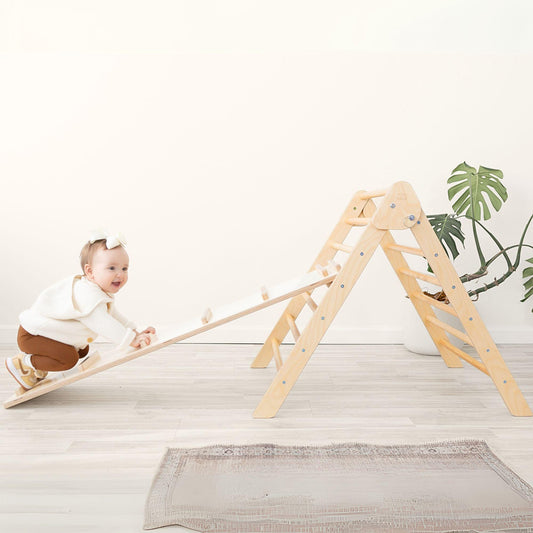
A toddler will turn any clear stretch of carpet into a racetrack within seconds, and that instinct does not vanish with age. It just needs more room. When we plan a child's room with a parent, the first thing we look at is what is left over once the larger pieces of furniture are in place. A room filled wall to wall with furniture may look organized, but children often see open floor space as an invitation to explore, build, and move.
We usually suggest pushing the larger pieces toward the edges and keeping the middle clear. Low shelving helps here, because a child can reach it without climbing and it never looms over the room the way a tall unit does. A washable rug can mark out a play zone without adding bulk. What you are after is a room that gives a child somewhere to spread out, build something, knock it down and start again.
What about play that needs more room than a bedroom?
Some play will never fit indoors, and that is fine. As children grow, they often need opportunities for bigger movements than most indoor spaces can comfortably accommodate. This is where a lot of families start weighing up outdoor equipment. A well-built backyard trampoline can give kids a fun reason to be outside and burn off energy. Choosing age-appropriate equipment, following safety recommendations, and providing supervision when needed can help make outdoor play both active and enjoyable.
The way we frame it for parents is to treat the indoor and outdoor spaces as one setup rather than two separate problems. A child who has spent an hour bouncing outside tends to come back in ready to wind down, which lets the calmer corners of the bedroom do their job. The room stops having to carry all the weight on its own.
How do you choose furniture that keeps up with an active kid?
Sturdiness beats almost every other consideration. An active child climbs on things that were never built to be climbed on, so anything wobbly turns into a hazard within a week. Look for sturdy, well-built furniture that can withstand everyday family life. Children naturally climb, lean, balance, and explore, so choosing durable pieces with rounded edges and quality construction can help create a safer environment for active play.
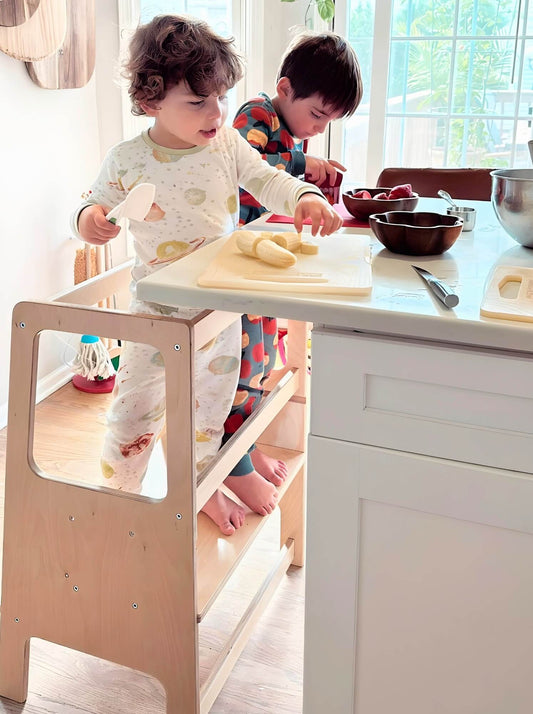
Adaptability earns its place too. Furniture that can adapt as your child grows often provides the best long-term value. Low shelves, accessible storage, and versatile play furniture can continue serving different purposes as children's interests and abilities develop. None of this has to cost a fortune, though it does need thinking through before you buy rather than after.
Where do the quieter activities fit in?
Even the most restless child needs a corner built for slowing down. A small reading nook with a soft chair and a front-facing bookshelf does more than it has any right to. It tells a child that this part of the room is for resting, not racing.
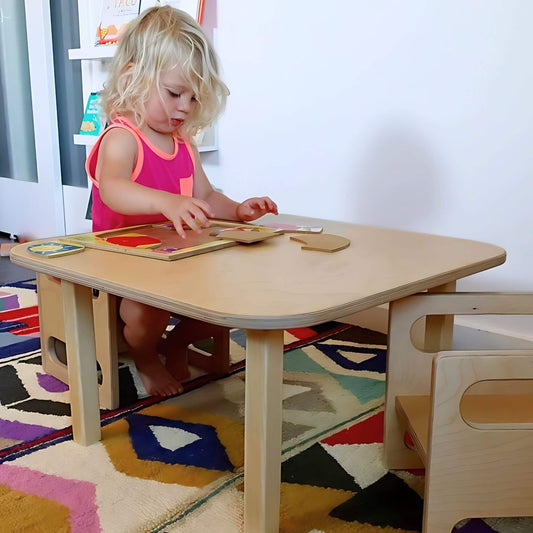
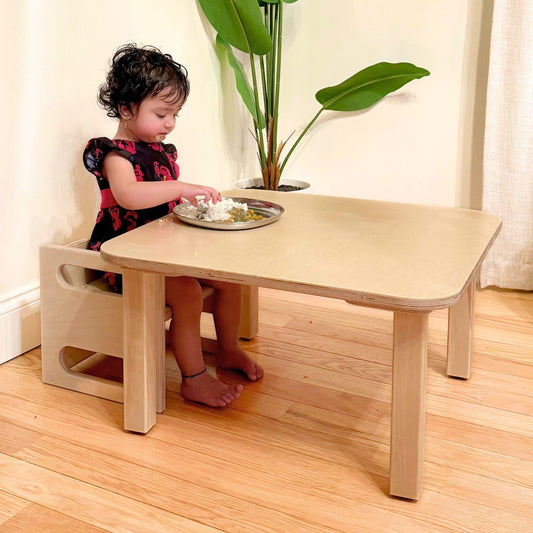
We usually set this nook near a window for the natural light and away from the door so it feels tucked out of the way. A desk earns its keep once homework arrives, though younger children get more use out of a low table they can draw at. The trick is keeping the calm zone and the busy zone visually separate, even when the room is small.
How do you stop an active kid's room from turning into chaos?
Storage a child can manage alone is what keeps a busy room from sliding into a mess. If putting things away needs an adult every time, it simply will not happen. Open bins and low baskets work well, because there is no lid to wrestle with and no high shelf to stretch for. Label them with pictures for the kids who cannot read yet.
We tend to suggest one large basket for the bulky stuff like soft toys, and a few smaller containers for the bits that scatter everywhere. Hooks at child height take care of bags and dress-ups. A room an active child can reset on their own, in the five minutes before bed, is a room that stays usable for years rather than months.
Creating a space for an active child isn't about filling every corner with furniture. It's about giving children room to move, opportunities to explore, and easy access to the things that support their independence. With a thoughtful layout and child-friendly furniture, your home can encourage active play, creativity, and confidence every day.





 Off
Off
