


How Parents Can Foster Leadership Skills in Kids From an Early Age
Share
For busy parents and caregivers of preschoolers, fostering leadership can feel like one more thing to get right, especially when daily life already includes safety worries, cluttered play areas, and kid gear that doesn’t hold up. The tension is real: adults want cooperative, confident kids, yet constant correcting or doing things “the right way” can leave children waiting to be directed. Early childhood development is when leadership skills in children take root through small moments of choice, responsibility, and connection. With steady parental guidance strategies and simple child empowerment techniques, everyday routines can become practice for leading.
Build a Leadership-Friendly Home Setup in 4 Simple Zones
A leadership-friendly home doesn’t need to be big or Pinterest-perfect, it just needs a few predictable “yes spaces” where your child can start, stick with, and finish their own ideas. Try setting up these four simple zones so the environment quietly supports the confident choices you’re encouraging in the preschool years.
-
Make a “Choose-It-Yourself” Shelf Zone: Place a low, open shelf with 6–10 options max: a puzzle, a basket of blocks, a few books, and one “challenge” toy. Use picture labels on bins so your child can pick, put away, and switch activities without waiting for you, great practice for initiative. Keep the shelf stable and durable (solid wood or a sturdy laminate) so it can handle daily use and your child can move items safely.
-
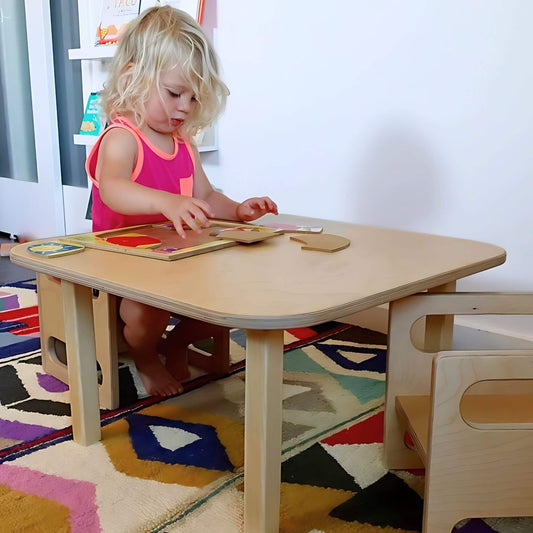
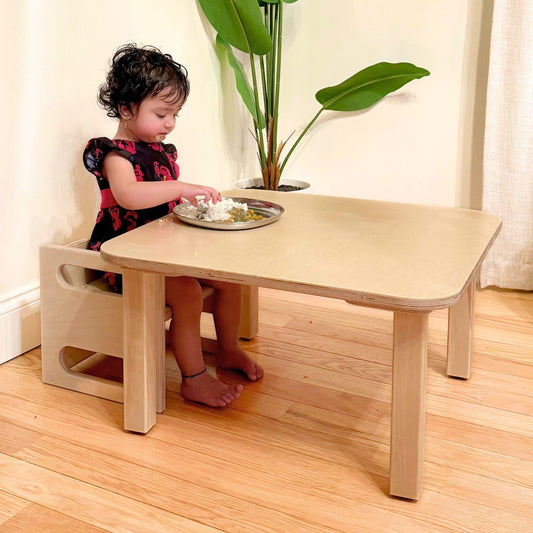
Create a “Work + Problem-Solving” Table Zone: Set up a child-sized table and chair with a wipeable surface and a small caddy for supplies like crayons and safety scissors. This becomes the primary spot for building, designing, and trying again—developing key leadership muscles like planning and persistence. (This is also a great space for "parallel work," where a child sees you modeling that same persistence while you tackle your own projects, such as an online computer science program.) Add a simple “start-to-finish” routine: a small tray for the current project and a labeled bin for “save for later” so your child learns to manage a task over time.
-
Design a “Cooperation & Community” Floor Zone: Define a floor area with a rug or foam mat for shared play, trains, pretend play, big blocks, or a collaborative marble run. Keep the best “two-person” items here (a set with enough pieces to share, two matching vehicles, a doll stroller plus a baby bed) to naturally invite teamwork and negotiation. Store heavy items in low, wide bins so kids can pull them out together without tipping or asking for help every time.
-
Add an “Outdoor Leadership” Nature Zone: If you have any outdoor space, make it easy to use: a small container for chalk, a bucket for digging tools, and a clear “where it goes” storage spot by the door. Research linking outdoor features to executive function highlights how having trees, a sandbox, or outdoor storage early on can support skills like focus and self-control, useful for decision-making and follow-through. Even on a balcony, you can do a mini version with a planter, a water spray bottle, and a towel for cleanup.
- Use “Less on Display” to Encourage Deeper Leadership: Rotate toys weekly so only a manageable amount is available, think 1 building set, 1 pretend set, 1 sensory option, and a couple of books. A calmer space reduces overwhelm and makes it easier for kids to commit to a plan and finish what they started. Montessori-style setups often rely on wooden toys and simple, open-ended materials because they invite kids to direct the play instead of being “entertained” by it.
When these zones are clear and consistent, your child gets daily, low-pressure chances to choose, collaborate, and solve problems, setting you up perfectly for simple household routines like small jobs, shared planning, and family decision-making.
Daily Leadership Habits That Actually Stick
Once your “yes spaces” are set, leadership grows through repetition, not pep talks. These habits pair naturally with durable, easy-clean furniture and Montessori-style materials, so your child can practice independence and follow-through without constant adult steering.
Two-Choice Morning Brief
- What it is: Offer two acceptable options for clothes, snacks, or first activity.
- How often: Daily.
- Why it helps: Builds decision-making skills without overwhelm or power struggles.
Job Card Pickup
- What it is: Let your child choose one task card and complete it start to finish.
- How often: Daily.
- Why it helps: Strengthens responsibility and the executive function often called the boss of the brain.
Plan, Do, Reflect Minute
- What it is: Ask “What’s your plan?” then “What worked?” after the activity.
- How often: Daily.
- Why it helps: Teaches planning, persistence, and learning from outcomes.
Family Huddle with One Kid Decision
- What it is: Hold a five-minute meeting where your child decides one small family choice.
- How often: Weekly.
- Why it helps: Normalizes leading respectfully within clear boundaries.
Grown-Up Roles Play
- What it is: Use dress-up and props to rotate jobs like builder, chef, or vet.
- How often: Weekly.
- Why it helps: Encourages curiosity through career exploration.
A Gentle Reminder: Participation Over Perfection
It’s easy to feel a surge of pressure when we hear the word “leadership,” leading us to over-guide or assign responsibilities that feel too heavy for a preschooler. Remember that the goal here is participation, not perfection. At this age, leadership isn't about a flawless performance; it looks like trying, practicing, and—quite often—making mistakes and messes. Every time your child attempts a task or recovers from a small setback, they are building the resilience and confidence they’ll need to lead later in life.
Montessori Home Picks: Leadership Skills Compared
With routines in place, the right home setup can make leadership practice feel automatic. This comparison links Montessori inspired play items and multifunctional, stylish kids furniture to specific leadership skills, so you can choose durable pieces that invite independence without turning your living space into a clutter zone. With the kids furniture market size projected to reach USD 184.52 billion by 2030, it helps to filter options by what your child will actually use daily.
|
Option |
Benefit |
Best For |
Consideration |
|
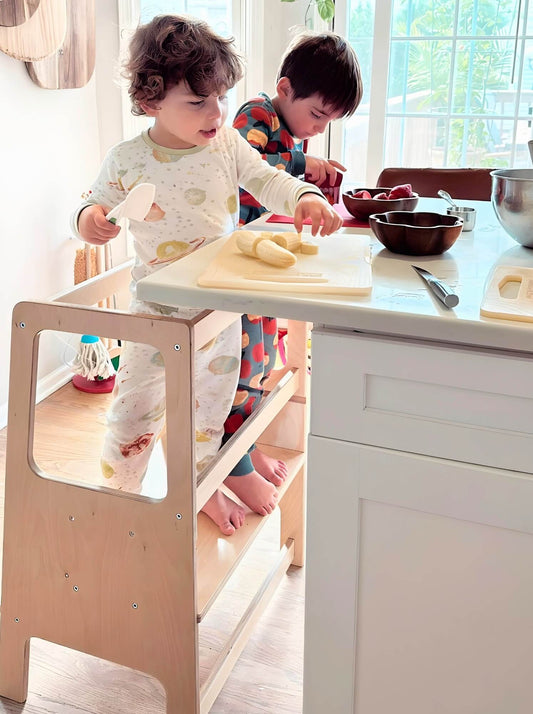
Learning tower or sturdy step stool |
Builds autonomy in real tasks |
Helping cook, wash hands, set table |
Needs sturdy design and close supervision |
|
Low open shelves plus labeled bins |
Encourages initiative and follow through |
Self start play, quick cleanup routines |
Requires periodic toy rotation to stay usable |
|
Supports planning, focus, collaboration |
Crafts, puzzles, snack prep with friends |
Check chair stability and wipeable surfaces |
|
|
Open ended building set |
Strengthens problem solving and persistence |
Solo challenges, sibling co builds |
Small parts can limit use for younger kids |
|
Dress up and role play kit |
Practices empathy and decision making |
Family meetings, pretend “jobs,” teamwork |
Can create mess unless storage is simple |
If you want the biggest leadership payoff, prioritize pieces that are safe, easy to access, and used across many days, not just once. Start with one anchor item that supports real responsibility, then add one open ended play option for practice and creativity. Knowing which option fits best makes your next move clear.
Turn Small Daily Choices Into Confident Kid Leadership
It’s easy to want kids to be confident leaders while daily life feels too busy to “teach” leadership on purpose. The steadier path is ongoing leadership cultivation through simple routines: age-appropriate responsibility, shared problem-solving, and warm parental encouragement strategies that match real child development milestones. With consistent family support for leadership growth, children practice independence, teamwork, and empathy in low-pressure moments, building the habits that end up empowering future leaders. Leadership grows when kids get repeated chances to try, help, and recover. Choose one small change to repeat for 10 minutes this week, such as letting them lead one family task from start to finish. That consistency strengthens resilience and connection long after the moment passes.
About the author:
Cassidy Gibson-Cooper co-founded Parenting Central to share the "ins and outs" of life with her children, Sam and Autumn. A 21st-century parent herself, Cassidy created the platform as an enjoyable way to offer practical tidbits and diverse guest perspectives to families navigating the modern parenting journey.





 Off
Off
