


How Thoughtful Learning Spaces Help Toddlers Develop A Lifelong Love Of Reading
Share
The journey toward a lifelong love of reading often begins long before a child can recognize letters or sound out words. During the toddler years, children are absorbing information from every corner of their environment. The spaces they inhabit, the routines they experience, and the materials they interact with all influence how they view learning.
While parents often focus on selecting age-appropriate books, the physical environment surrounding those books can be just as important. Thoughtfully designed learning spaces encourage curiosity, independence, and positive associations with reading. By combining child-friendly furniture, accessible books, and inviting surroundings, families can help toddlers develop habits that support literacy for years to come.
Why Environment Matters In Early Childhood Development
Young children learn through exploration. Unlike older students who can sit at a desk and focus on a task for extended periods, toddlers interact with the world physically. They touch, move, climb, point, and experiment as they discover new concepts.
Because of this, the design of a child's environment plays a significant role in learning. A space that feels welcoming and accessible encourages children to engage with educational materials naturally. When books are easy to reach and reading areas are comfortable, toddlers are more likely to explore them independently.
Research in child development consistently shows that children benefit from environments that support autonomy. When toddlers can choose a book, carry it to a cozy reading corner, and flip through its pages on their own, they begin to develop confidence alongside their literacy skills.
The Connection Between Furniture Design And Learning
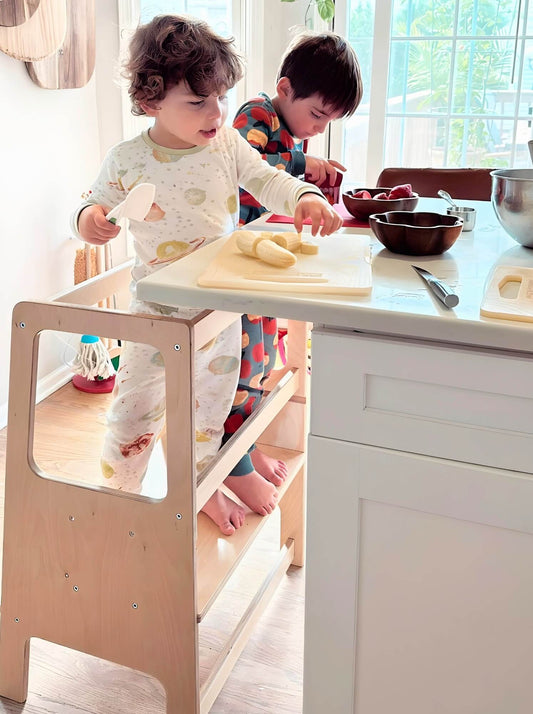
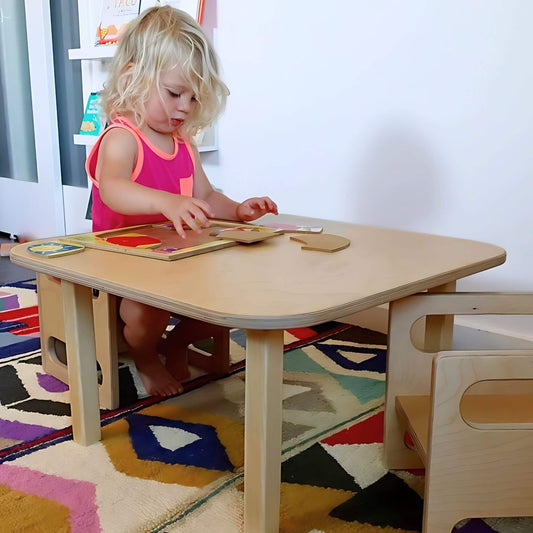
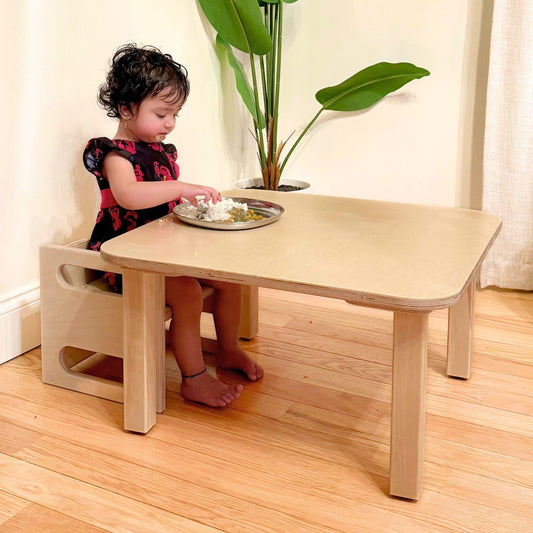
Furniture may seem like a simple household necessity, but for toddlers, it can directly influence behavior and engagement. Child-sized furniture helps young children interact with their environment independently. Low bookshelves, appropriately sized chairs, and accessible storage solutions make it easier for toddlers to navigate their surroundings without constant adult assistance.
When furniture is designed with children in mind, it promotes self-directed learning. Instead of waiting for a parent to retrieve a book from a high shelf, a toddler can select one independently. This sense of ownership helps create positive associations with reading and exploration.
Thoughtful furniture design also supports concentration. Comfortable seating, soft reading nooks, and dedicated learning areas help toddlers recognize that books and quiet activities are valuable parts of their daily routine. Rather than treating reading as a scheduled task, families can create environments where books become a natural and enjoyable part of everyday life.
Creating An Inviting Reading Corner
One of the simplest ways to encourage early literacy is by establishing a dedicated reading space. A reading corner does not need to be elaborate. A small area with comfortable seating, soft lighting, and a selection of age-appropriate books can make a significant difference. The goal is to create an inviting space where children want to spend time.
Elements that contribute to a successful toddler reading area include:
- Low, front-facing bookshelves
- Comfortable floor cushions or child-sized chairs
- Soft rugs or mats
- Easy access to favorite books
- Minimal distractions
- Warm and welcoming décor
Front-facing bookshelves are especially effective because toddlers are naturally drawn to visual displays. Seeing colorful covers makes it easier for young children to choose books independently and sparks curiosity about new stories.
Accessibility Encourages Independence
One of the biggest barriers to early reading can be simple inaccessibility. When books are stored out of reach or organized in ways that toddlers cannot navigate, opportunities for independent exploration decrease. By contrast, accessible learning spaces empower children to interact with books whenever curiosity strikes.
Independence is a powerful motivator. Toddlers enjoy making choices and exercising control over their environment. Allowing them to select books, return them to shelves, and create their own reading routines reinforces positive learning behaviors.
Parents often find that children engage more frequently with books when those books are integrated into daily living spaces rather than stored away in separate rooms or cabinets. A basket of books in the living room, a shelf near the play area, or a reading nook in the bedroom can all increase exposure to literacy throughout the day.
Building Positive Reading Habits Through Routine
Environment and routine work hand in hand when developing literacy habits.
Children thrive on predictability. Regular reading sessions help toddlers understand that books are a valued part of family life. Over time, these experiences become comforting rituals that children look forward to each day.
Morning stories, post-nap reading sessions, and bedtime books are all opportunities to reinforce literacy in meaningful ways. The consistency of these routines helps children associate reading with comfort, connection, and enjoyment.
Importantly, reading routines should remain flexible and enjoyable. The goal is not to force academic achievement but to foster a positive emotional relationship with books. When toddlers view reading as a pleasurable activity rather than an obligation, they are more likely to maintain that enthusiasm as they grow older.
Choosing Books That Support Early Literacy
The books available within a learning space matter just as much as the space itself. For toddlers, sturdy board books are often ideal because they withstand frequent handling and introduce age-appropriate concepts. Bright illustrations, simple language, repetition, and interactive elements help maintain attention and encourage participation.
Many parents look for collections specifically designed to engage young learners. Resources such as the board books available at https://tuttletwins.com/ provide examples of books designed with early childhood learning in mind while remaining accessible to young readers.
The most effective early reading materials are those that encourage interaction. Pointing to pictures, repeating words, asking simple questions, and discussing illustrations all help build language skills alongside reading habits.
Supporting Learning Beyond Books
A thoughtfully designed learning space can extend beyond reading alone. Many literacy skills develop through broader experiences that encourage communication, imagination, and problem-solving. Art supplies, building blocks, puzzles, and pretend-play materials all contribute to language development.
When children engage in imaginative play, they practice storytelling, vocabulary, sequencing, and social communication. These experiences strengthen the foundational skills that support reading comprehension later in life.
Integrating books with other learning activities can be especially effective. A story about animals might be followed by animal-themed toys or creative activities. A book about colors can inspire painting or sorting games.
This connection between reading and real-world experiences helps children see books as tools for discovery rather than isolated educational materials.
The Role Of Parents And Caregivers
Even the most beautifully designed learning space cannot replace the influence of engaged adults. Parents and caregivers play a crucial role in modeling positive reading behaviors. When children see adults reading, discussing books, and expressing curiosity, they learn that literacy has value beyond childhood education.
Simple interactions make a significant impact. Reading aloud, asking questions, responding to a child's observations, and showing enthusiasm during story time all contribute to literacy development.
The goal is not perfection but consistency. A supportive environment combined with regular engagement creates powerful opportunities for learning. Over time, these shared experiences help children associate reading with warmth, attention, and connection.
Creating A Foundation For Lifelong Learning
Developing a love of reading does not happen overnight. It is the result of countless small experiences that shape how children perceive books and learning.
Thoughtful learning spaces provide the foundation for these experiences. Child-friendly furniture, accessible books, comfortable reading areas, and supportive routines work together to create an environment where literacy can flourish.
When toddlers are given opportunities to explore books independently, engage with inviting learning materials, and participate in enjoyable reading routines, they begin building habits that can last a lifetime.
The most effective learning spaces are not necessarily the most expensive or elaborate. Instead, they are environments intentionally designed to support curiosity, independence, and joyful discovery. By creating spaces that welcome exploration and celebrate reading, parents can help their children develop a lasting appreciation for books and learning that extends far beyond the toddler years.





 Off
Off
