


How to Balance Active Toddler Days with Rest for Happy Families
Share
Parents of toddlers and Montessori-minded educators often end up doing constant toddler activity management, trying to support early skills while keeping family life calm. The real tension is balancing busy toddler schedules with enough breathing room for toddler rest and play, especially when every class, playdate, and outing feels like it “should” help early childhood development. Too much structure can tip into meltdowns and short tempers, while too little can leave kids bouncing off the walls and adults feeling behind. A steadier rhythm makes it easier to spot what truly supports growth and what simply fills the day.
Create a Calm Weekly Plan for Toddler Activities
This simple system helps you choose the right activities, set clear limits, and keep everything visible in one place. For Montessori-minded homes and classrooms, an organized schedule pairs beautifully with child-sized furniture and predictable routines so children can practice independence without feeling rushed.
-
List every “yes” already on the table
Write down all recurring commitments for the week: childcare hours, naps, meals, outings, classes, therapy, and playdates. Add travel time and prep time too, because those hidden minutes often cause the real squeeze. Seeing the full load on paper keeps you from overbooking with good intentions. -
Choose your “growth anchors” and protect rest
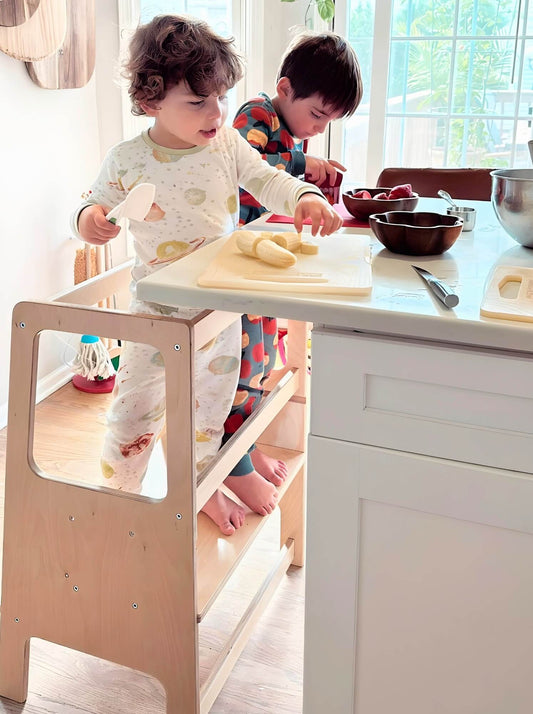
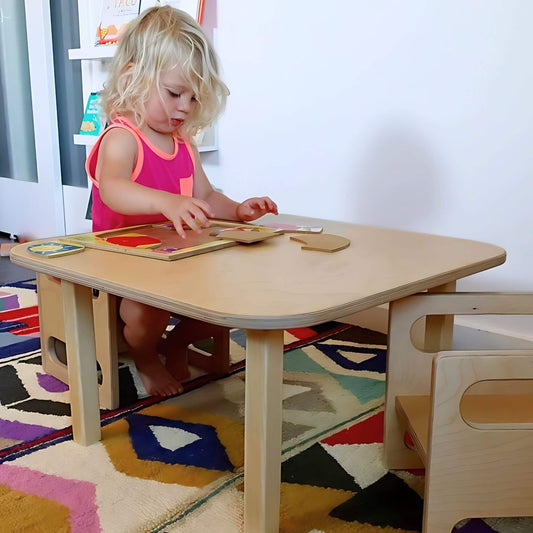
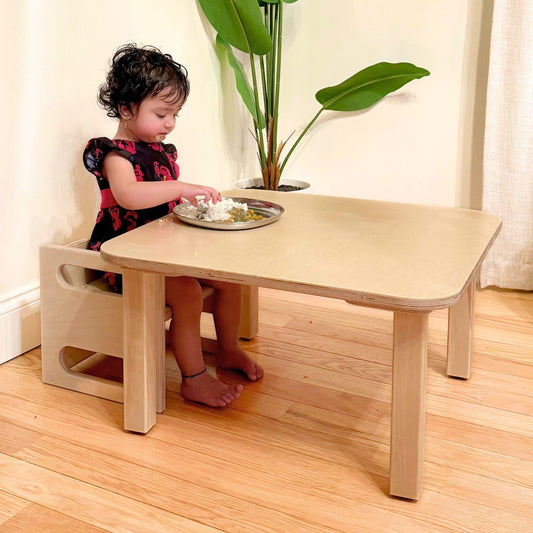
Pick 1 to 2 priorities that truly support your child right now, such as a movement class, library story time, or a consistent playground meet-up. Block daily rest, unstructured play, and simple practical-life time at home, where Montessori-style setups like a low shelf, toddler table, or floor bed can make independent play and wind-down smoother. If it does not fit around rest, it is not a fit right now. -
Set an extracurricular limit you can actually keep
Decide your weekly cap using a clear rule, such as one structured activity day per week or no more than two commitments on any weekday. Make the limit about family bandwidth, not willpower, since even driving and coordinating can add stress when phone use behind the wheel has increased. A firm cap makes it easier to say “not this season” without guilt. -
Map it all into one shared family calendar
Choose one calendar system for everyone and add events with consistent labels: Activity, Rest, Meal, Errand, and Home Play. Include who is responsible and what to bring, then add a 15 minute buffer before and after transitions. Keep the calendar visible at adult eye level and, when possible, mirror it with a simple picture schedule at the child’s level. -
Review weekly, then adjust with one small change
Once a week, look back at what felt smooth versus what led to crankiness or constant rushing. Keep what worked, remove one draining commitment, or shorten one outing before adding anything new. Small edits compound into calmer days that your toddler can predict and participate in.
Habits That Keep Busy Toddlers Calm and Rested
Habits are what make a plan livable, especially when toddlers are growing fast and parents are stretched. These practices help you communicate simply, share scheduling responsibilities, and use Montessori-style spaces like low shelves and child-sized tables to support independence without sacrificing rest.
Two-Minute Toddler Preview
- What it is: Show a picture cue for play, snack, then rest.
- How often: Daily, before the first outing.
- Why it helps: Predictability reduces power struggles and speeds up transitions.
One Yes, One Later Choice
- What it is: Offer two options, one active now and one for after rest.
- How often: Daily, at decision points.
- Why it helps: Choice meets autonomy needs without overscheduling.
Furniture Reset for Independence
- What it is: Tidy one low shelf and set the toddler table for self-serve.
- How often: Daily, after lunch.
- Why it helps: A prepared environment makes quiet play more likely.
Flexibility Check-In
- What it is: Ask, “What can move?” using the fact that scheduling flexibility matters to many adults.
- How often: Weekly, before adding plans.
- Why it helps: You protect rest by adjusting the week early.
Tag-Team Logistics Huddle
- What it is: Assign who drives, packs, and texts updates in 60 seconds.
- How often: Per outing.
- Why it helps: Shared load reduces parental overwhelm fast.
Protect Downtime—and Set Up Independent Play That Sticks
Downtime doesn’t just “happen” in a toddler household, you usually have to protect it. The good news: a simple schedule plus a thoughtfully prepared play environment can support independent, unstructured play that builds motor skills, confidence, and calmer afternoons.
- Block “rest windows” first (then add activities around them): Pick two daily anchors that rarely move, often a midday rest and a late-afternoon quiet window, and schedule everything else around those blocks. Treat them like the parent-toddler check-ins you’re already using: a quick “body check” (hungry? tired? need movement?) before you decide on the next plan. When you guard downtime on the calendar, you’ll feel less pressure to say yes to every outing.
- Use the 5–8 minute rule to plan independent play starts: Many toddlers can only focus briefly at first, so start small and build consistency over time. The five to eight minutes often cited for 2-year-olds is a helpful target for the first round, set a timer, stay nearby, and end on a win. Gradually stretch to 10–15 minutes by repeating the same daily play “start” after snack or after you unload the car.
- Create one “yes zone” for unstructured movement: Choose a corner of the living room or a bedroom area where everything is safe to touch, climb, and explore without constant corrections. Keep it simple: a soft mat, a low shelf with a few sturdy items, and enough open floor space for rolling, crawling, and hauling toys around. This kind of play environment for toddlers supports child development through play because they get to test ideas, “What happens if I push, stack, carry?”, without waiting for adult permission.
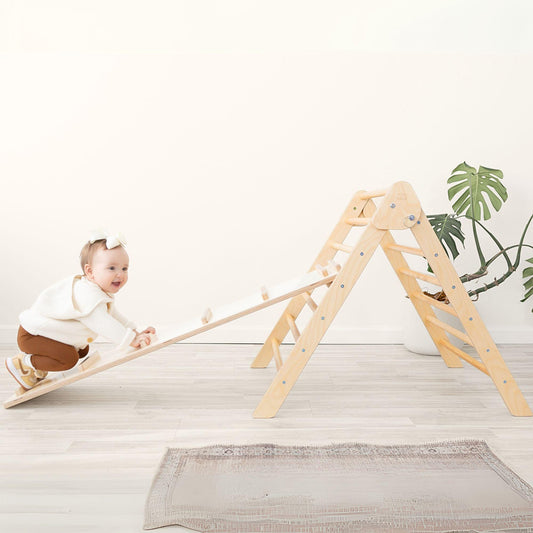
- Build a climb-and-explore setup that invites self-directed gross motor play: A Pikler triangle, a small climbing arch, and a low ramp can become a daily “movement loop” that meets the need for big body work, especially on days you’re not outside much. Keep the rules clear and few: bare feet or grippy socks, one child at a time, and land on the mat. RAD Children’s Furniture pieces that are stable, appropriately sized, and easy to reposition help you refresh the setup without turning it into a complicated project.
- Rotate materials, not the whole room (and aim for open-ended): Once a week, swap 2–3 items on the low shelf, think balls, scarves, stacking rings, chunky puzzles, a basket of animal figures, or large blocks. Open-ended items encourage independent unstructured play because there isn’t one “right” outcome, and that fuels both creativity and motor skills development. If choices cause chaos, offer two baskets only and let your toddler pick.
- Protect “quiet play” with a predictable parent script: When you need true downtime for toddlers, narrate what’s happening in one sentence and stick to it: “I’m going to sit and drink my tea while you play; I can help when the timer beeps.” If scheduling has been a family stress point, this is a great place to share responsibilities, one adult sets up the invitation, the other resets the room, so it doesn’t fall on one person.
When downtime is planned and the play space does the heavy lifting, it becomes much easier to spot the days you’re overcommitted, and to respond before busy schedules turn into meltdowns.
Common Questions on Toddler Activity and Rest
Q: How can I decide which activities are most important to include in my toddler's schedule?
A: Choose what supports your child’s current needs: movement, connection, and one predictable routine. Watch your toddler after each activity for clues like clinginess, extra tumbles, or bigger tantrums, then prioritize what leaves them more settled afterward. If it doesn’t improve sleep, mood, or confidence, it may be “nice,” not “necessary.”
Q: What strategies can help me set limits on the number of extracurricular activities my toddler participates in?
A: Set a simple family rule such as one “out of the house” commitment per week per child, then reassess monthly. When you say no, offer a clear yes: “We’re keeping Thursdays free for home play.” It helps to pick a stop point before you enroll, like “If naps slip, we pause.”
Q: How do I make sure my toddler has enough downtime to rest and recharge amidst a busy schedule?
A: Protect one daily quiet block and treat it as non-negotiable, even if it’s only 20 to 30 minutes. Offer a small menu of calm choices and call it unstructured play so it feels like a privilege, not a punishment. If your toddler resists, start with a short timer and build up.
Q: What are effective ways to coordinate and share scheduling or transportation responsibilities with other parents or family members?
A: Make one shared weekly plan in a group text, then assign an “owner” for each day’s pickup, snacks, and reminders. Keep handoffs smooth with a consistent leaving routine and a packed bag that lives by the door. If coverage is tight, trade tasks instead of rides, like one adult handles sign-ups while another does drop-off.
Q: How can using child-friendly furniture like Pikler triangle sets support my toddler’s independent play and balance between activity and downtime?
A: A safe climbing option at home gives your toddler a reliable way to meet big-body needs without adding another outing. Pair active climbing with a nearby cozy corner for books or puzzles so your child can shift gears independently. For extra buy-in, create a simple toddler routine chart that shows one routine, like “climb, snack, quiet play,” and use picture cues your child recognizes (you can even generate cartoons with AI for the steps).
Create a Calmer Week with Activity-and-Rest Rhythm
When toddler days are packed with exciting outings but little downtime, everyone feels it, meltdowns rise, patience drops, and family harmony gets harder to hold. A balanced toddler schedules mindset keeps things simple: protect an activity and rest balance, follow your child’s cues, and let routines do the heavy lifting so you can focus on connection. Over time, that steadier rhythm supports toddler development and brings more predictable afternoons, smoother evenings, and real parental encouragement instead of second-guessing. Balance isn’t doing more, it’s pairing active time with real rest. Choose one change this week, like guarding one daily quiet window or trimming one commitment, and keep it for seven days. That consistency builds the stability and resilience your whole family can grow on.





 Off
Off
