


How to Give Kids More Freedom at Home While Keeping the Guardrails Clear
Share
Kids build confidence by testing what they can do. They pull books from low shelves, carry their own cup to the table, climb into a chair, reach for art supplies, and turn ordinary corners of the home into places for play. That kind of freedom is healthy. It works best when the space around them is set up with care, so children can move, try, help, and explore while parents keep the biggest risks clear and manageable.
Freedom Starts With a Prepared Space
Freedom at home feels smoother when children can see what belongs to them and understand how to use it. Low shelves, open bins, sturdy seating, and clear activity zones give kids simple choices without turning every moment into a request for help. When a child can reach a puzzle, return blocks to a basket, or choose a book without climbing over furniture, independence becomes part of the room’s design.
Parents who focus on creating safe spaces for children often find that boundaries feel calmer when the environment does some of the work. A prepared room can still feel playful and flexible, but it should make the safest choice feel natural.
Make the Risk Match the Child’s Stage
A safety guardrail should fit the child in front of you. A toddler who has just learned to climb needs different limits than a five-year-old who can carry a snack plate, pour water, or help wipe the table. When rules grow with the child, freedom feels earned rather than random.
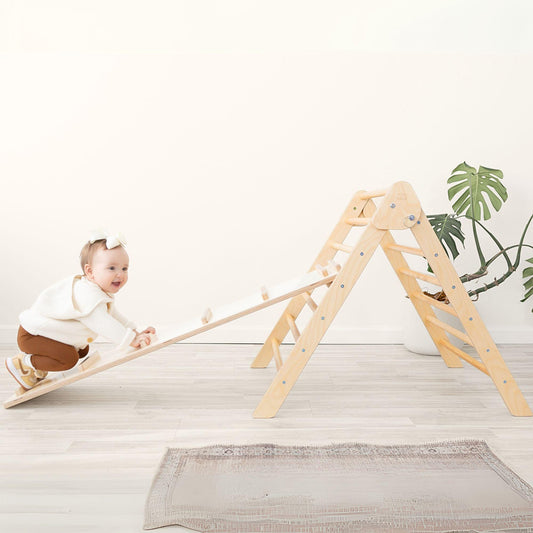
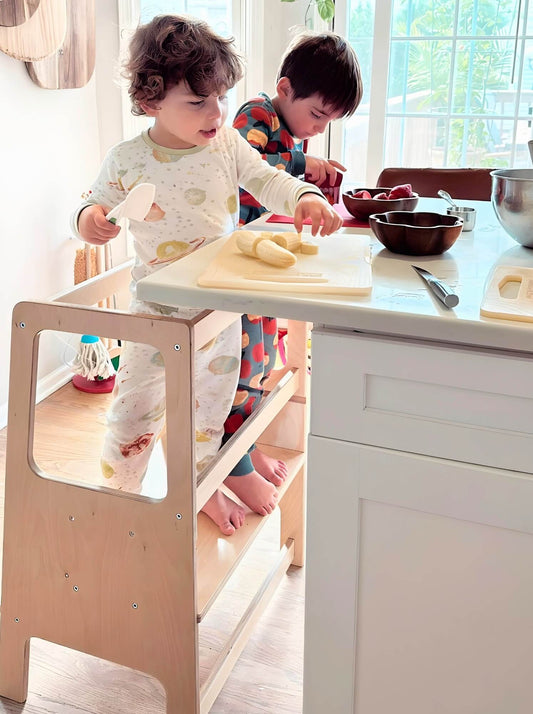
Start by watching what your child naturally tries to do. Some kids climb every surface. Some drag chairs toward higher shelves. Some run through narrow spaces, pull heavy bins, or turn quiet furniture into an obstacle course. Those habits show parents where a room needs clearer boundaries. A climbing child may need safer places to move their body. A child who loves helping may need child-sized tools, stable seating, and a clear rule about asking before handling anything sharp, hot, or heavy.
Anchor the Big Things Before Kids Test Them
Children notice vertical space long before they understand weight, balance, or tipping hazards. A dresser can look like a ladder. A bookshelf can seem like a place to pull up. A storage unit can become part of a pretend mountain before a parent realizes the game has changed.
The largest pieces in a child’s room or play area should be treated as part of the safety plan, especially once kids begin climbing, reaching, and testing limits. Anchoring furniture, securing televisions, checking shelf stability, and keeping heavier items low can help prevent furniture and TV tip-overs before curiosity turns into a dangerous moment.
This kind of preparation doesn’t make a room feel restrictive. It gives children more room to use the space with confidence because the highest-risk pieces have already been handled.
Set Rules Kids Can Actually Remember
The best safety rules are short enough for children to use in the moment. “Feet stay on the floor while eating” is easier to follow than a long explanation about chair safety. “Ask before climbing” gives a child a clear action. “Water gets wiped right away” turns a spill into a routine instead of a lecture.
A few steady rules can do more than a house full of reminders. Choose the limits that matter most in each space, then repeat them in the same words. In a playroom, that might mean soft balls only. In the kitchen, it might mean adult help for anything hot, sharp, or heavy. In a bedroom, it might mean books and toys stay low enough to reach safely.
When children know what freedom looks like inside each room, they spend less time guessing and more time practicing real independence.
Keep a Plan for Spaces Outside Your Home
In Los Angeles, many families balance compact homes, shared courtyards, neighborhood parks, and busy daily routines, so child safety often extends beyond the rooms parents arrange themselves. A home can be thoughtfully set up, but children also spend time in classrooms, daycare centers, playgrounds, apartment buildings, and other shared spaces where parents can’t control every detail.
That same reality is familiar to families in Chicago, where daily life often moves between schools, parks, rental buildings, sidewalks, and community spaces. When a serious injury raises questions about unsafe property, poor supervision, or preventable hazards, speaking with a child accident attorney in Chicago can help parents better understand their options after the immediate medical needs are handled.
A simple family safety folder can include emergency contacts, medication details, doctor notes, school forms, and photos of any hazard that caused an injury. Most bumps and bruises won’t need anything formal, but parents think more clearly when the important information is already in one place.
A Home That Grows With Their Confidence
Safety guardrails should change as children become more capable. A shelf that made sense for a toddler may feel limiting to a kindergartener. A rule that once required constant adult help may become a chance to practice responsibility with supervision nearby.
Take a fresh look at your child’s space every few months. Notice what they can reach, what they’re trying to move, where they gather, and which rules they’ve outgrown. The goal is not to remove every risk from childhood. It’s to create a home where children can stretch their independence while the adults around them keep the biggest risks steady, visible, and well managed.





 Off
Off
