


How to Guide Your Kids Toward Lifelong Healthy Habits Without Stress
Share
Busy parents and caregivers often feel stuck between wanting healthier routines for their kids and managing the daily pushback that comes with it. Guiding children’s choices can turn into constant negotiations around food, movement, screens, and bedtime, especially when big emotions and testing limits show up right on schedule. The goal isn’t perfect compliance; it’s building a home environment where healthy choices feel normal where healthy options feel normal, supported, and realistic. With the right expectations and a steady approach, healthy habits for kids can start to feel doable.
Quick Summary: Healthy Habits Without Stress
- Model balanced meals and snacks so kids learn healthy eating through everyday routines.
- Build regular physical activity into play and family time to make movement feel normal.
- Set clear screen time limits to protect sleep, focus, and time for active play.
- Teach simple ways to manage stress by noticing feelings and practicing calming routines together.
- Talk early about substances like drugs and alcohol so kids can make safer choices as they grow.
Why Healthy Habits Stick in Childhood
A simple idea drives lasting habits: kids repeat what feels normal, doable, and rewarding at home. Early childhood is when routines sink in fastest, so your example matters more than your reminders. Using positive reinforcement helps because children learn which choices get warm attention and are worth repeating.
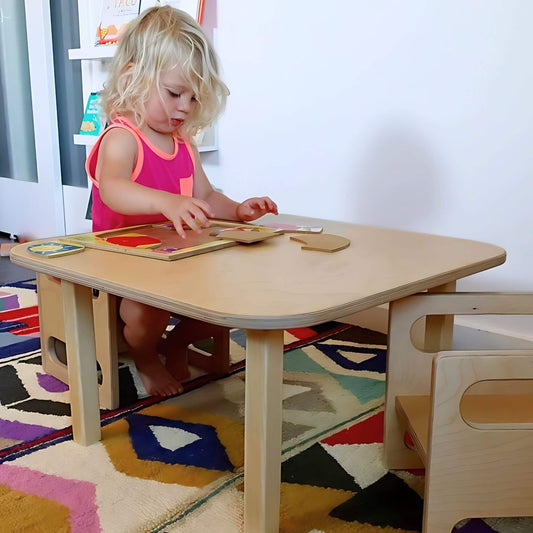
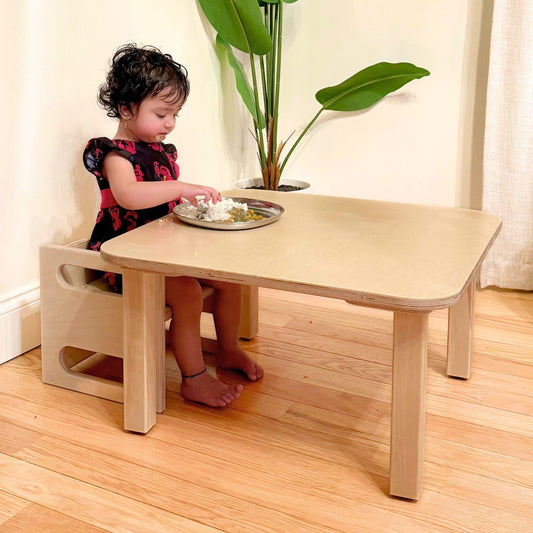
This matters when you want healthier days without constant negotiating. A supportive home setup reduces decision fatigue for you and makes good choices easier for them. Even practical anchors, like a sturdy kid table for meals and crafts, can turn “healthy time” into an expected part of play and learning.
Picture snack time at a child-sized table: you sit with water and fruit, and your child copies you. You notice the helpful choice right away, giving rewards or praise so it feels good to repeat. With that foundation, you can pick a few small habits and practice them on a simple schedule.
Low-Stress Habits Kids Can Repeat Every Week
When healthy choices live inside predictable routines, kids resist less and you coach less. Pair these habits with durable, child-sized furniture that stays put for meals, art, and movement so practice feels effortless and consistent.
Table-First Snack Setup
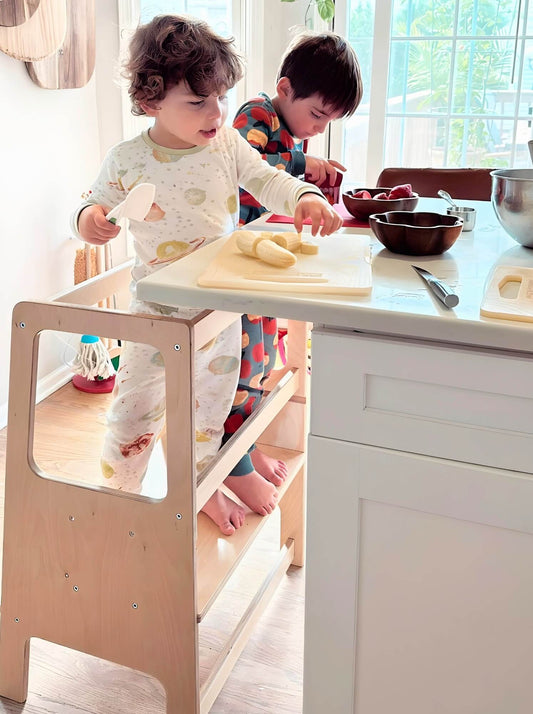
- What it is: Serve two simple options at the kid table, plus water.
- How often: Daily
- Why it helps: Predictable structure reduces grazing and arguments.
Family Plate Builder
- What it is: Let your child assemble a plate with color goals, not “clean plate” rules.
- How often: Daily
- Why it helps: Choice builds confidence and less picky eating.
Ten-Minute Movement Loop
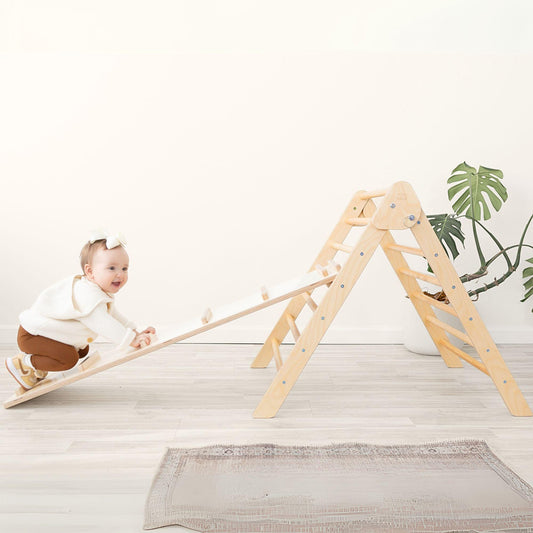
- What it is: Do a quick circuit of hops, crawls, and stretches near the play area.
- How often: Daily
- Why it helps: Short bursts make activity feel like play.
Outdoor Reset Walk
- What it is: Take a low-pressure walk, scavenger hunt, or playground loop.
- How often: 3 times weekly
- Why it helps: Sunlight and fresh air can improve mood and bedtime.
Same-Time Sleep Wind-Down
- What it is: Follow a regular sleep routine with wash, book, lights out.
- How often: Nightly
- Why it helps: Consistency supports calmer evenings and steadier energy.
Common Questions, Calm Answers
Q: How can I encourage my child to develop healthy eating habits that last a lifetime?
A: Keep the focus on skills, not “good” or “bad” foods: “Your job is to notice hunger, my job is to offer choices.” For peer pressure, try: “At parties, you can pick one fun food and one fuel food.” Use a steady kid-friendly eating spot for snacks and homework so food happens with less bargaining.
Q: What strategies help children build regular physical activity into their daily routines?
A: Attach movement to an existing cue like after school or before dinner, then keep it short enough to win. Offer two options: “Do you want a dance song or a backyard obstacle?” Resilience grows when kids practice trying again, and research shows school-based interventions enhanced resilience so celebrate effort, not performance.
Q: How do I teach my kids to manage stress and relax effectively as they grow?
A: Teach a simple script: “Name it, breathe, choose,” then practice when everyone is calm. Create a “reset corner” with a sturdy chair, paper, and sensory tools so coping is easy to repeat. If you feel judged online, remember social media creates unrealistic parenting expectations and keep your goal small and doable.
Q: What are effective ways to limit screen time while promoting outdoor play and creativity?
A: Set a clear rule and a clear replacement: “Screens after chores, and they end at the timer.” Make the off-ramp smooth with a ready activity bin and an always-available craft or building surface. When kids say “everyone else gets more,” answer: “Different families, different brains. Our plan helps your body and mood.”
Q: How can parents balance supporting their child's growth with finding time to upskill or retrain themselves for a better future?
A: Start by mapping a normal weekday in 30-minute blocks and identify two small pockets of time you can protect. Protect small pockets of time for yourself, even 20 minutes at a time. Consistent family routines make it easier to recharge, plan, or focus on personal goals. If childcare or stress is heavy, ask your pediatrician, school counselor, or local parent groups for support resources so you are not doing it alone.
Start Small to Build Kids’ Healthy Habits That Stick
Balancing busy schedules, picky tastes, and outside influences can make motivating healthy choices feel like a daily negotiation. The steadier path is a simple, supportive parenting approach: keep expectations realistic, model the habits, and focus on reinforcing habits through calm routines and clear boundaries. Over time, the “right choice” starts to feel normal, and a positive home environment often works better than constant reminders. Small, steady routines beat big bursts of motivation. Choose two changes to start today and set a quick weekly check-in to notice what’s working and adjust without blame. That consistency is what supports long-term family wellness, building resilience and connection that lasts.
About the guest author:
Cassidy Gibson-Cooper co-founded Parenting Central to share the "ins and outs" of life with her children, Sam and Autumn. A 21st-century parent herself, Cassidy created the platform as an enjoyable way to offer practical tidbits and diverse guest perspectives to families navigating the modern parenting journey.





 Off
Off
