


How to Style a Montessori-Inspired Kid’s Space With Thoughtful Décor
Share
Creating a Montessori-inspired space is about much more than choosing attractive furniture. You get to focus on designing an environment that supports a child's independence, curiosity, and confidence while keeping the room calm and inviting. Every decorative choice should have a purpose, helping children interact with their surroundings without unnecessary distractions.
The good news is that you do not need a complete room makeover to embrace Montessori principles. Small, intentional changes can make a noticeable difference. By selecting practical furniture, using natural materials, and displaying meaningful décor, you can create a space that encourages exploration while still feeling warm and welcoming for the entire family.
Start With a Calm, Child-Friendly Foundation
A Montessori-inspired room begins with simplicity. Instead of filling the space with bright colors, oversized toys, and decorative items that serve little purpose, focus on creating an environment where children can easily understand and navigate their surroundings.
Choose a neutral or soft color palette that helps the room feel peaceful. Whites, warm creams, muted greens, soft blues, and gentle earth tones create a relaxing backdrop that allows children to focus on their activities rather than constant visual stimulation.
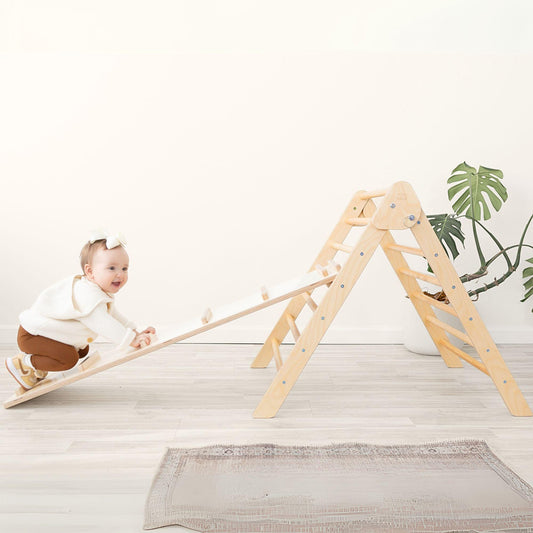
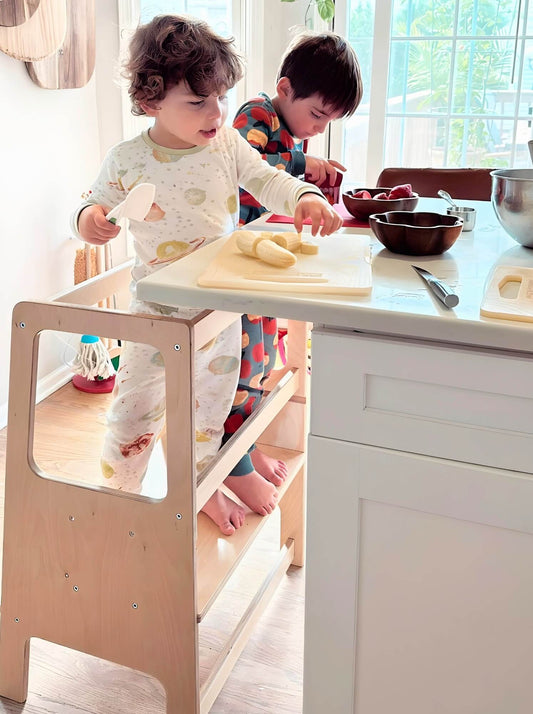
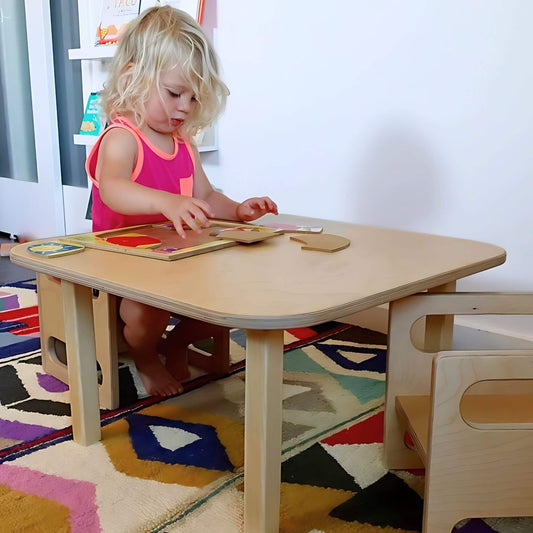
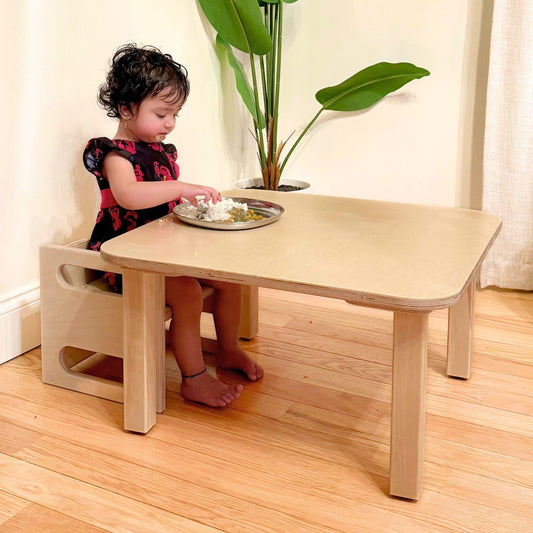
Furniture should also match the child's size whenever possible. Low shelves, accessible storage, and child-height seating encourage independence because children can reach their belongings without relying on an adult.
Natural light also plays an important role. Whenever possible, allow daylight to fill the room, complemented by soft lighting in the evenings to maintain a comfortable atmosphere.
Choose Décor That Has a Purpose
Decorating a Montessori space does not mean leaving the room bare. Instead, every decorative element should contribute to the environment in a meaningful way.
Consider adding:
- Framed artwork displayed at your child's eye level
- Simple nature-inspired prints
- Wooden picture frames instead of heavily ornamented designs
- Indoor plants that are safe for children
- Baskets made from natural fibers for attractive storage
- Mirrors placed low enough for self-discovery and independence
Rather than covering every wall, leave open space between decorative elements. Empty space allows each item to stand out while preventing the room from feeling cluttered.
Rotating artwork and decorative pieces every few months can also keep the environment interesting without overwhelming children with constant visual input.
Use Natural Materials to Create Warmth
Montessori environments often embrace materials found in nature because they introduce varied textures and create a calming atmosphere.
Wood remains one of the most popular choices because it brings warmth into a room while developing a timeless look. Cotton, linen, wicker, rattan, wool, and ceramic accessories also contribute to a balanced space that feels comfortable without becoming overly decorative.
Small decorative accents can make a significant difference. Simple ceramic vases, woven baskets, wooden trays, or dried botanical arrangements add character while maintaining the clean aesthetic associated with Montessori interiors.
When selecting decorative pieces for shelves or tabletops, look for items that complement the room rather than dominate it. Collections of natural objects such as pinecones, stones, shells, or preserved branches can also become beautiful conversation pieces while encouraging children's curiosity about the natural world.
For parents looking for decorative containers, natural accents, and timeless display pieces that fit this understated style, browsing collections from Jamali Garden can provide inspiration for adding subtle decorative touches without overwhelming the room.
Create Easy-to-Maintain Display Areas
A Montessori room works best when children can care for their own environment. Decorative displays should support this goal instead of making cleaning more difficult.
Open shelving provides an ideal opportunity to combine function and design. Rather than filling every shelf, leave breathing room around carefully selected objects. A few books, a small plant, a basket, and one or two attractive activity trays often create a more inviting display than crowded shelves.
You can also create small seasonal displays using items gathered during family walks. Autumn leaves, smooth stones, flowers, or pine branches can introduce variety throughout the year while helping children notice changes in nature.
When children participate in arranging these displays, they often develop a stronger sense of responsibility for keeping their room tidy.
Keep Storage Beautiful and Accessible
Storage plays a major role in maintaining the calm appearance of a Montessori-inspired room. Attractive storage solutions allow children to return toys and learning materials to their proper places with minimal assistance.
Instead of relying entirely on brightly colored plastic bins, consider incorporating:
- Woven baskets for stuffed animals or blankets
- Wooden boxes for building blocks
- Fabric storage bins in neutral tones
- Simple trays to organize learning activities
- Open cubbies that encourage independent cleanup
Limiting the number of toys available at one time also supports a cleaner environment. Toy rotation helps children stay engaged with their activities while reducing clutter throughout the room.
This approach allows decorative elements to remain visible without competing with an overwhelming number of toys.
Add Personal Touches That Grow With Your Child
Although Montessori spaces embrace simplicity, they should never feel impersonal. A child's room should reflect their interests and celebrate their development.
Display family photographs at your child's eye level so they can easily recognize the people who are important in their life. Showcase a few pieces of your child's artwork in simple frames instead of covering every available surface.
You can also dedicate a small shelf to meaningful objects collected during family experiences, such as shells from a holiday, leaves from a favorite park, or handmade crafts created together.
As children grow, their interests naturally change. Refreshing small decorative elements over time allows the room to evolve without requiring a complete redesign.
The goal is not to create a picture-perfect space but to provide an environment that supports learning, independence, and comfort throughout each stage of childhood.
Final Thoughts
Styling a Montessori-inspired space is less about following strict design rules and more about making thoughtful choices. Every decorative element should contribute to a calm, organized environment where children can move confidently, care for their belongings, and engage with the world around them.
By focusing on natural materials, purposeful décor, accessible storage, and meaningful personal touches, you can create a room that feels both beautiful and practical. The result is a welcoming space that supports your child's development while remaining enjoyable for the entire family.





 Off
Off
