


How to Turn a Garage into a Montessori-Inspired Play Space Your Kids Will Actually Use
Share
If your living room has slowly become a permanent toy zone, you're not alone. Many families eventually reach a point where they want a dedicated space where children can play, create, and move freely without taking over the entire house.
Parents who convert a garage or build a small backyard structure into a dedicated playroom often have the same goal: create a space designed for children, not one that competes with the rest of the house. A Montessori-inspired play space does exactly that. It prioritizes independence, movement, focus, and calm while giving your living room back to you.
If you’re considering transforming a garage, detached shed, or accessory structure into a child-centered environment, here’s how to do it thoughtfully.
Montessori Garage Playroom Essentials
- A Montessori play space emphasizes independence, movement, and simplicity.
- Layout matters more than square footage.
- Low shelving, child-sized furniture, and clearly defined zones are essential.
- Practical upgrades such as insulation, flooring, lighting, and climate control are not optional.
- A dedicated play space often improves focus, reduces clutter, and creates calmer family routines.
Design Principles That Make the Space Work
A converted garage can easily feel like, well, a garage. The difference between a basic conversion and a meaningful play environment comes down to intentional design.
1. Open Layout That Invites Movement
Children learn with their bodies. Leave clear pathways. Avoid crowding walls with bulky furniture. Think breathable, not packed.
An open center area supports:
- Gross motor play
- Rolling, crawling, and balancing
- Free movement between activity zones
2. Low Shelving and Thoughtful Toy Rotation
Montessori-inspired shelving is open and accessible. Toys are displayed intentionally, not piled into bins.
Why it matters:
- Children choose independently.
- Fewer items = deeper focus.
- Rotating materials prevents overwhelm.
3. Defined Zones (Without Walls)
Instead of one chaotic playroom, create subtle zones:
|
Zone |
Purpose |
What to Include |
|
Movement Area |
Gross motor development |
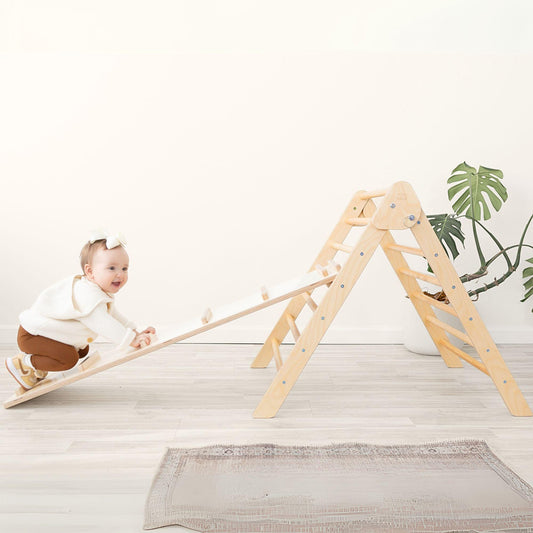
Climbing structures, balance beams |
|
Art Station |
Creative expression |
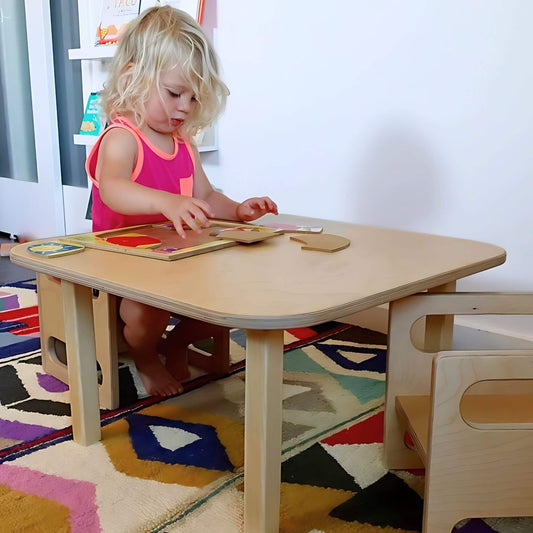
Child-height table, washable storage |
|
Reading Nook |
Quiet focus |
|
|
Pretend Play |
Imagination & role play |
Play kitchen, dress-up rack |
These don’t need dividers, just spatial intention.
4. Natural Light Is Transformative
If you’re converting a garage, consider:
- Enlarging windows
- Adding glass doors
- Installing skylights
Natural light regulates mood and improves focus for both kids and adults.
5. Child-Sized Furniture for Independence
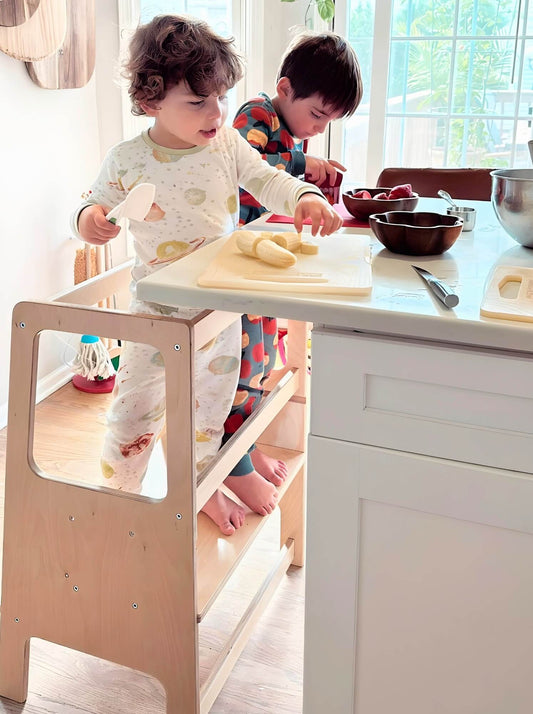
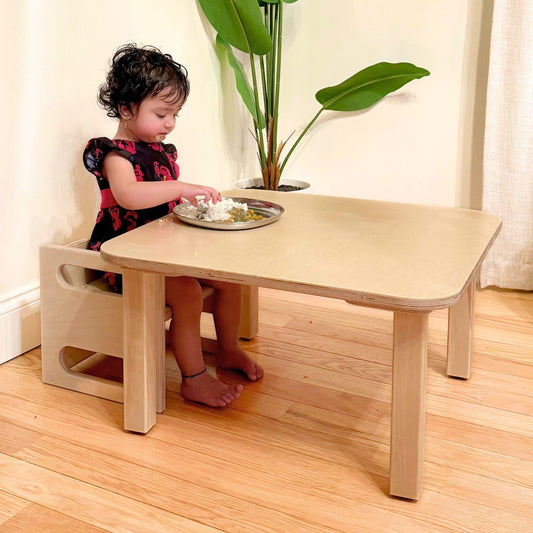
A toddler who can sit, stand, climb, and reach without help develops confidence. Tables, chairs, shelving, and climbing equipment should match your child’s size, not yours.
The Overlooked Foundation: Electrical Planning
One of the most consequential (and often underestimated) aspects of converting a garage or outbuilding is the electrical work. Lighting should support calm play and reading without harsh glare. Outlets must be tamper-resistant and thoughtfully positioned for equipment and climate control. Cord management matters, both visually and for safety.
Before beginning any garage conversion, it's important to work with a qualified electrician to ensure lighting, outlets, and climate control systems are installed safely and meet local building codes.
Garage Conversion Requirements for a Safe Playroom
Converting a garage isn’t just decorating. It’s construction.
Here’s a practical planning checklist to guide you:
Garage-to-Playroom Conversion Checklist
☐ Add proper insulation (walls + ceiling)
☐ Install safe, consistent climate control
☐ Upgrade flooring (soft, durable, non-slip)
☐ Seal drafts and moisture entry points
☐ Install adequate lighting (ambient + task)
☐ Use tamper-resistant outlets
☐ Secure all storage to walls
☐ Consider soundproofing
☐ Confirm local building codes and permits
Skipping these steps can lead to a cold, damp, unsafe space, which defeats the purpose entirely.
Why a Dedicated Play Space Changes Family Life
This is where the shift becomes noticeable.
When children have a space designed around their scale and needs:
- They transition into play more easily.
- They focus longer.
- Cleanup becomes clearer and more manageable.
- The rest of the house feels calmer.
Parents often report that conflict decreases. Toys stop migrating across every room. Kids begin taking ownership of their space.
A dedicated playroom quietly teaches responsibility and autonomy without lectures.
Choosing the Right Furniture Makes the Difference
Furniture plays a major role in whether a play space actually gets used. Low shelving, child-sized tables, climbing equipment, and accessible storage encourage independence and help children take ownership of the room.
The goal isn't to fill the room with furniture. It's to choose a few well-designed pieces that support movement, creativity, and independent play.
Many families choose Montessori-inspired furniture from companies like RAD Children's Furniture, a family-owned, employee-owned Los Angeles brand that designs and builds handcrafted pieces from premium Baltic birch with non-toxic finishes. Their collection includes climbing toys, Montessori shelving, tables and chairs, toddler towers, and other child-sized furniture designed to support independent play and learning.
Planning for Longevity
A well-designed play space grows with your child.
- Climbing structures evolve from toddler exploration to strength-building.
- Shelving transitions from simple materials to art supplies and books.
- Tables become homework and project stations.
Avoid over-theming. Choose natural materials and neutral tones. Let the child’s work and play bring color.
Frequently Asked Questions
Do I need a large garage to create a Montessori play space?
No. Even a single-car garage can be thoughtfully zoned. Layout matters more than square footage.
Is climate control really necessary?
Yes. Garages aren’t typically insulated for comfort. Without proper heating and cooling, the space won’t be usable year-round.
How much does a garage conversion typically cost?
Costs vary widely depending on insulation, electrical upgrades, flooring, and whether structural changes are required. It’s best to consult a local contractor for accurate estimates.
Can I DIY most of this?
Some elements, such as shelving, painting, and flooring, may be DIY-friendly. Electrical, insulation, and structural changes should be professionally handled.
A Helpful Planning Resource
If you’re in the early planning stage, the U.S. Department of Housing and Urban Development (HUD) offers helpful guidance on home improvements and safety considerations:
https://www.hud.gov/topics/home_improvements
Reviewing building codes and safety standards before beginning a garage conversion can save time and unexpected costs later.
Final Thoughts
A garage conversion isn't just about creating more space. It's about creating a space where children can move, learn, create, and play independently while allowing the rest of the home to function more peacefully. With thoughtful planning and child-centered design, even a simple garage can become one of the most valuable rooms in the house.





 Off
Off
