


Moving with Kids? Simple Ways to Ease the Transition
Share
Packing up your entire life is stressful enough on its own, but moving with kids adds a whole new layer of emotional complexity. Children thrive on routine and familiarity, so uprooting them can trigger anxiety, resistance, and tearful goodbyes. The good news? With the right strategies in place, you can transform this chaotic chapter into something your whole family actually looks forward to. According to the NAR's 2024 Migration Trends report, 30% of families move to be closer to relatives proof that a move often brings real emotional benefits.
Understanding the emotional weight a move places on your family is the first step; now let's turn that awareness into action with proven strategies that help kids feel informed, included, and genuinely excited about what's ahead.
Key Strategies for Preparing Kids for a Move
Good preparation starts well before the moving truck pulls up. Families relocating within California often find that booking the best California movers months in advance is one of the smartest early decisions they make because locking down logistics early frees up mental bandwidth to focus on what actually matters: your kids and how they're coping emotionally with everything changing around them.
Before you can involve your kids in the moving process, you need to meet them exactly where they are emotionally.
Age-Appropriate Conversations That Reassure Children
Toddlers need simple, reassuring language: "We're getting a new home, and all your toys come with us." School-age kids want to know why, so focus on positive reasons like a better school or being closer to grandparents. Teens need honesty and space to feel frustrated.
Helping kids adjust to moving always starts with conversations tailored to their developmental stage, not a one-size-fits-all announcement.
Empowering Children Through Involvement
Once your child understands the "why," the next powerful step is making them an active participant. Let them choose their new bedroom color, help pack their personal items, or mark off days on a move countdown calendar. Ownership creates excitement, and excitement replaces dread.
Giving children meaningful responsibilities during the move also helps build confidence and independence. Simple tasks like packing favorite books, organizing toys, or helping unpack their new room allow them to contribute in age-appropriate ways while giving them a greater sense of control during a time of change.
With the groundwork of honest conversations firmly in place, it's time to take things further.
Innovative Tips for Moving with Children Smoothly
Smart planning doesn't just reduce stress it can actually make the move genuinely fun. Knowing a few creative tips for moving with children makes a surprising difference in how your kids experience the whole process.
Creating a "Moving Adventure" with Gamification
Turn packing into a game. Challenge kids to find five items they no longer use and "donate" them for points. Set up a scavenger hunt for favorite toys buried in boxes. Small reward systems, sticker charts, and choosing the family dinner keep energy positive and cooperation high throughout the chaos.
Routine Retention: Keeping Life Consistent Amidst Chaos
Gamification sparks excitement, but familiar routines are what truly anchor a child's sense of security. Keep bedtimes, mealtimes, and afternoon play roughly consistent even during packing week. Pack a "transition kit" with comfort items: a favorite stuffed animal, a familiar blanket, a tablet loaded with saved shows. Making moving easier for children is often less about grand gestures and more about protecting those small daily rhythms they count on.
Smart strategies and fun games ease the physical transition beautifully, but the emotional side deserves just as much attention.
Easing Emotional Stress for Kids During the Move
Children process change differently than adults do. Some get quiet. Some get angry. Others don't show anything until weeks later. Giving them healthy outlets matters enormously. Research from the Bipartisan Policy Center (2024) found that 25% of working parents with young children are relocating strategically to gain family support, meaning these moves often carry real emotional stakes.
Tools for Emotional Expression
Encourage kids to draw their feelings about leaving, write letters to old friends, or create a "memory book" of their current home. Plan a proper farewell: a goodbye party or a final visit to a favorite park. Books about moving, like Alexander, Who's Not Going to Move, normalize the mixed feelings children carry.
Connecting with the New Community Early
Giving kids healthy emotional outlets pairs well with early excitement about their new neighborhood. Look up local parks together on Google Maps. Watch videos of attractions nearby. Let your child help research the closest ice cream shop or movie theater. Shifting focus from what we're losing to what we're gaining is a quiet but powerful mindset shift.
Essential Packing and Moving Day Tips for Families
|
Task |
Kid-Friendly Approach |
|
Packing personal items |
Let kids pack their own box with supervision |
|
Box labeling |
Use colored stickers per child |
|
Moving day survival |
Prep a "first night" bag with essentials |
|
Managing anxiety |
Explain the day's schedule in advance |
|
Keeping kids occupied |
Designate a "kid zone" with activities |
Streamlining Packing with Kids in Mind
Use color-coded sticker systems so kids know exactly which boxes are theirs. Prioritize kid-safe packing supplies; no sharp box cutters within reach. Pre-pack a "first night" bag for each child with pajamas, a snack, and their comfort item so the first evening in the new home feels settled, not chaotic.
Coordinating a Seamless Moving Day Experience
Decide early whether your child should be present on moving day or cared for elsewhere. Younger children often do better with a trusted sitter; older kids may want to be involved. Either way, explain the day's plan clearly in the morning, so no one feels blindsided or scared by the activity.
Helping Kids Settle After the Move
Nailing moving day logistics is a major win, but the work doesn't stop there. How to move house with kids successfully is really about what happens in the days after the truck leaves.
First 48 Hours: Creating Familiarity Fast
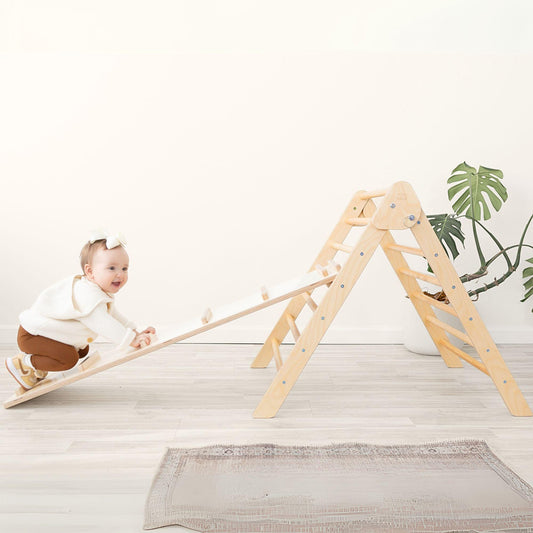
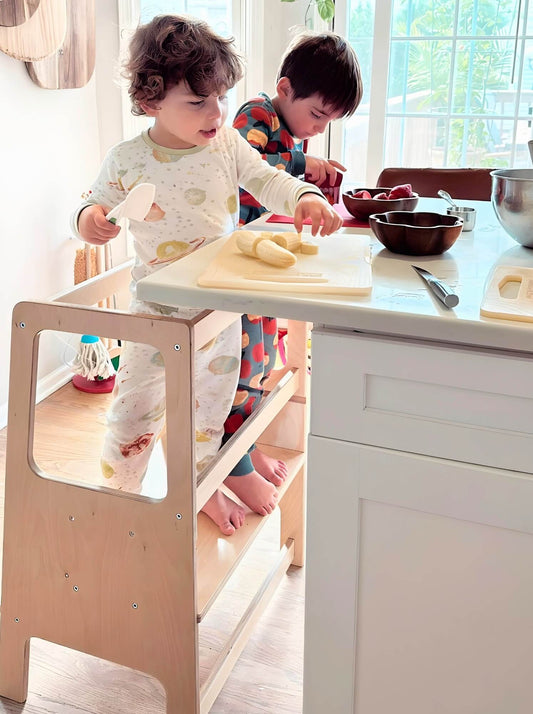
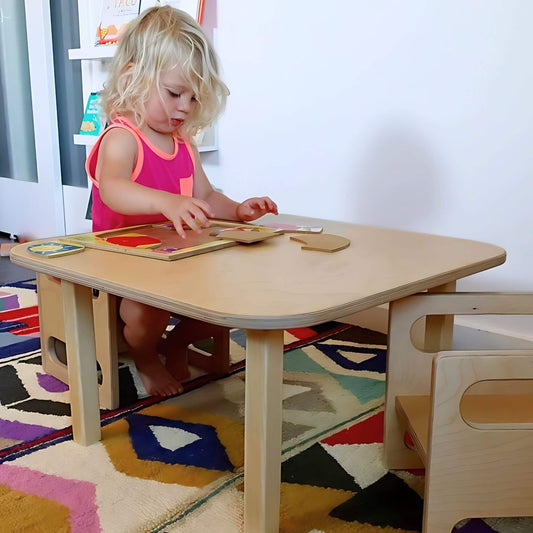
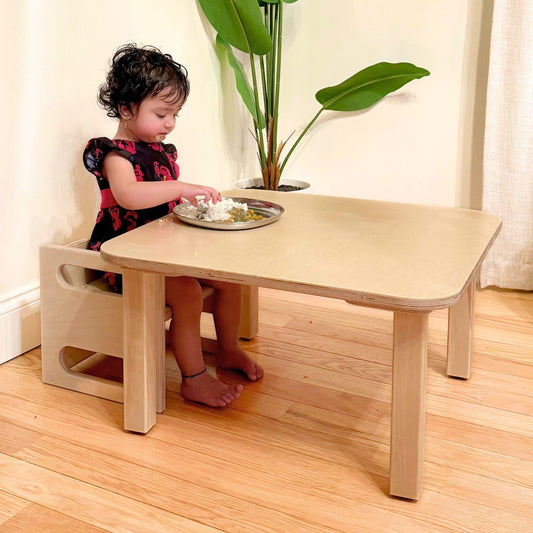
Unpack your child's room first, before the living room, before the kitchen. Seeing familiar bedding and toys in place immediately signals safety. Setting up child-sized furniture and accessible storage right away can also help children regain a sense of independence. When books, toys, and everyday belongings are easy to reach, children can begin settling into familiar routines almost immediately. Reestablish bedtime routines that very first night. Plan a small "new home celebration," even just ordering pizza together and watching a favorite movie to mark the new beginning with warmth.
Building Social Connections in a New Place
Stability at home is foundational, but belonging in the broader community is what helps kids truly thrive. Enroll them in a local sport, art class, or after-school club quickly. Introduce yourself to neighbors; kids make friends fast when parents open the door first. Visiting local libraries, playgrounds, and community events together is another great way to help children build positive associations with their new neighborhood while establishing new family routines.
FAQs
1. How long does it take kids to adjust to moving?
Most children settle into a new home within three to six months, though adjustment timelines vary by age and temperament. Maintaining familiar routines and encouraging open conversations significantly speeds up the process for children of all ages.
2. What is the 7-7-7 rule for kids?
The 7-7-7 rule suggests checking in with your child seven days before the move, seven days after arriving, and again at seven weeks. These structured check-ins help parents catch emotional struggles early and address them before they grow.
3. Should children be present on moving day, or does it increase stress?
It depends on age. Younger children often feel overwhelmed by the activity, making outside childcare a better choice. Older kids who want to be involved can handle it well when given a clear role and a calm explanation of what to expect.
Final Thoughts on Moving with Your Family
As you settle into your new home, take the opportunity to create spaces that support your child's growing independence. Low bookshelves, accessible toy storage, child-sized furniture, and open areas for play can help children feel more comfortable in their new surroundings while encouraging confidence and everyday participation.
Moving with kids doesn't have to be the overwhelming experience many parents fear. From age-appropriate conversations and gamified packing to routine protection and early community building, these tips for moving with children cover the emotional and practical ground that truly matters. How to move house with kids comes down to preparation, empathy, and keeping your child's sense of security front and center throughout. With the right support and a thoughtful plan, this move can be one of the most positive chapters your family writes together.





 Off
Off
