


How to Safety-Proof Your Backyard for Kids
Share
A backyard is where many childhood memories happen. Learning how to ride a bike, making mud pies, spending countless hours playing games with family and friends. And as a parent, you want nothing more than for your kids to grow up in a fun, safe environment.
Whether you are a first-time parent or have several younger kids, taking a few steps to safety-proof your backyard can help reduce common hazards and create a safer space for your family to enjoy. Here’s everything parents need to know about safety-proofing your outdoor space, so your family can make loads of memories with peace of mind.
1. Prioritize Kid-Friendly Furniture
Outdoor furniture for kids has to do double duty. It needs to hold up to a full year of wear and tear and still be something they actually want to use.
A few things worth looking for:
- Materials built for the outdoors: Furniture rated for outdoor use resists warping, splintering, and fading a lot better than anything meant to live indoors.
- Rounded edges and stable bases: Kids don't play carefully, and furniture that wobbles or has sharp corners can create unnecessary hazards.
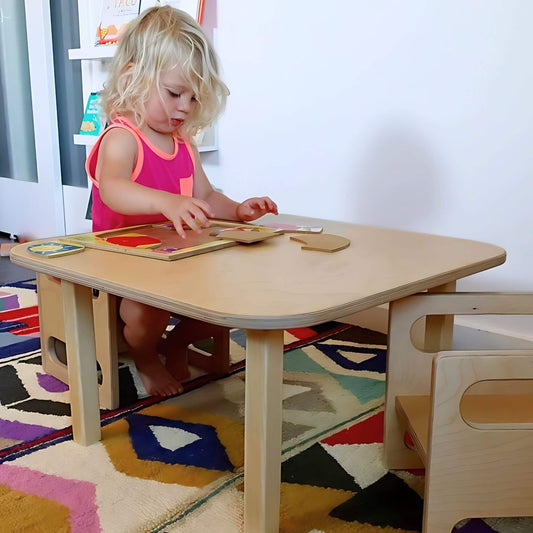
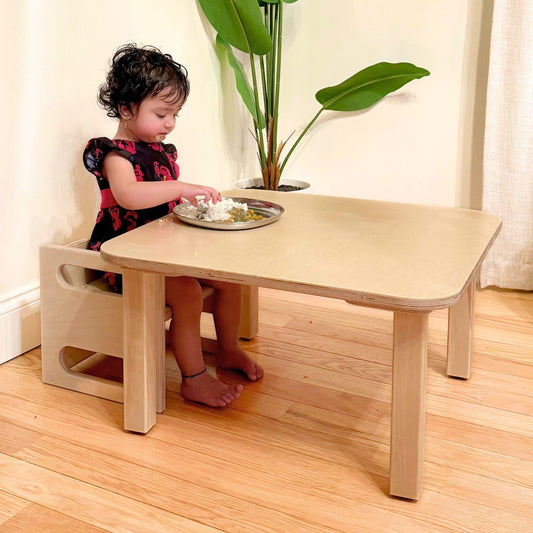
- Right-sized pieces: A picnic table or bench scaled to a child's height keeps them from climbing on furniture that wasn't built for them, which is often how accidents happen.
- Surfaces that wipe down easily: Between mud, sunscreen, and popsicles, furniture that cleans up fast just makes outdoor time easier for everyone.
2. Consider Installing Outdoor Lighting
As you safety-proof your outdoor space, don't overlook what happens after the sun goes down. Well-lit steps, walkways, entrances, and play areas can make it easier for both children and adults to navigate the space safely. If you're planning a more extensive lighting project, consider consulting a local professional who can identify dark spots and recommend appropriate fixture placement. For example, families in the region might work with outdoor lighting experts in Ohio to create a lighting plan suited to their property, while homeowners elsewhere can look for a qualified outdoor lighting professional in their local area.
Good lighting isn't just about extending playtime. It's one of the simplest ways to cut down on trips, falls, and those "wait, where did everyone go" moments once dusk hits.
3. Store Garden Tools and Chemicals in a Shed or Garage
Lawn mowers, shears, chemical fertilizers, and pest control products pose significant hazards to curious young children. Always store sharp tools, motorized equipment, and garden chemicals securely in a locked shed or garage.
Keep fertilizers and weed killers in their original containers with clear warning labels, stored high on shelves or inside locked cabinets out of reach and sight. When using fertilizers, weed killers, or other lawn and garden products, follow the product label instructions for application and how long children and pets should remain away from treated areas.
4. Soft Ground Cover Under Kids Play Areas
Falls are among the most common causes of backyard injuries on play equipment such as swings, slides, and climbing structures. Replace hard surfaces like packed dirt or concrete with impact-absorbing ground cover.
Use an impact-absorbing surface appropriate for the type and height of the play equipment, such as engineered wood fiber, wood mulch, sand, pea gravel, or tested rubber surfacing. Follow the equipment manufacturer’s recommendations for the type, depth, and size of the protective surface and regularly check loose-fill materials to make sure they remain at the recommended depth.
5. Add Fencing Around Pools and Ponds
Water features are a major attraction for children, but unmonitored access to pools, hot tubs, or garden ponds presents a serious drowning risk. Install a four-sided isolation fence that completely surrounds the water area and is at least four feet high.
Ensure the fence has self-closing, self-latching gates, with latches out of reach of young children to prevent unsupervised access. A properly installed barrier adds an important layer of protection by helping prevent young children from accessing the water unexpectedly. Fencing should always be used alongside appropriate adult supervision around pools and other water features.
6. Check Your Garden Plants for Toxicity
Young children often explore their environment by touching and tasting plants. Walk through your landscaping to identify any common toxic plants that can cause illness or skin irritation.
Some of the most common plants that often go unnoticed include poison ivy, wild parsnip, giant hogweed, poison hemlock, jimsonweed, and American pokeweed. Then there are garden plants you have planted yourself that can pose dangers, such as oleander, foxglove, hydrangea, monkshood, and lily-of-the-valley.
Replace toxic flora with child-safe, non-toxic alternatives like marigolds, sunflowers, or edible herb garden patches where kids can safely explore and learn.
Conclusion
Taking the time to safety-proof your backyard provides invaluable peace of mind while creating a secure environment for children to explore. By making thoughtful adjustments to furniture, lighting, play areas, and garden plants, you ensure that your backyard remains a fun, worry-free zone where kids can build lasting memories safely.





 Off
Off
