


Why More Families Are Prioritizing Functional Living Spaces Over Bigger Homes
Share
For many years, the dream home was often defined by its size. Bigger kitchens, additional bedrooms, oversized living rooms, and expansive backyards were viewed as signs of success. Today, however, many families are rethinking what truly makes a house feel like home. Instead of focusing solely on square footage, parents are placing greater value on spaces that are organized, practical, and designed to support everyday family life.
This shift is driven by changing lifestyles, rising housing costs, and a growing appreciation for intentional living. Families are discovering that a thoughtfully designed home, regardless of its size, can provide children with comfort, independence, and opportunities to learn through daily routines. A functional living space encourages less clutter, more meaningful interactions, and a calmer environment for everyone.
Why Bigger Isn't Always Better
A larger home certainly has its advantages, but more space doesn't automatically create a better quality of life. Extra rooms often become storage areas for items that are rarely used, while maintaining a larger property requires additional time, money, and energy.
Many parents are finding that smaller or moderately sized homes naturally encourage better organization and more intentional purchasing decisions. Instead of filling unused space, families become more selective about the furniture, toys, and belongings they bring into their homes.
Children also benefit from living in spaces where everything has a purpose. They are often more willing to help tidy up when storage is accessible and the amount of clutter is manageable.
Intentional Living Creates Happier Homes
Intentional living is about making conscious decisions that reflect your family's priorities. Rather than chasing trends or accumulating possessions, families focus on creating environments that support their daily routines.
This approach can include:
- Choosing versatile furniture that serves multiple purposes.
- Keeping toys organized and rotating them regularly.
- Creating dedicated spaces for reading, creativity, and independent play.
- Reducing unnecessary clutter throughout the home.
- Encouraging children to take responsibility for their belongings.
When every area serves a purpose, the home becomes easier to maintain and more enjoyable to live in.
Organization Makes Daily Life Easier
Parents know that mornings can quickly become stressful when backpacks are missing, shoes are scattered throughout the house, and important papers disappear beneath piles of clutter. Good organization helps eliminate many of these daily frustrations.
Simple storage solutions such as labeled baskets, low shelves, entryway organizers, and clearly defined play areas make it easier for everyone to find what they need. Children also develop valuable organizational habits by returning toys and books to designated spaces.
Organization isn't about achieving perfection. Instead, it's about creating systems that make family life run more smoothly.
Designing Spaces That Grow With Children
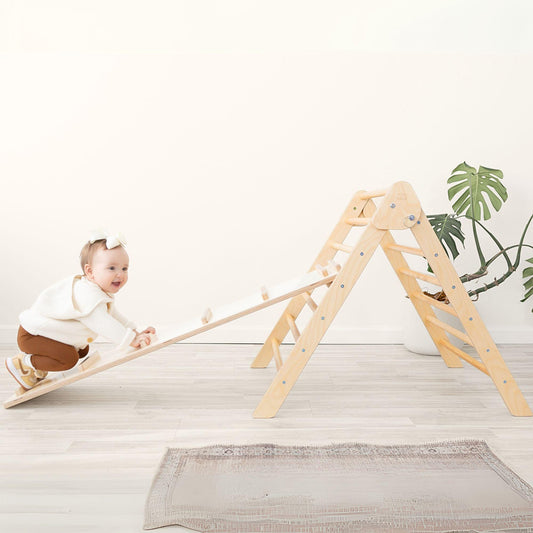
Children's needs change quickly, which is why flexibility has become an important consideration when designing family homes. Instead of constantly replacing furniture or completely redesigning rooms, many parents choose adaptable solutions that evolve alongside their children.
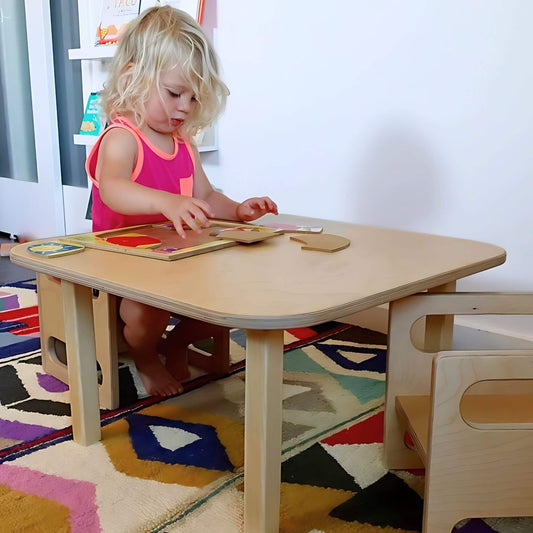
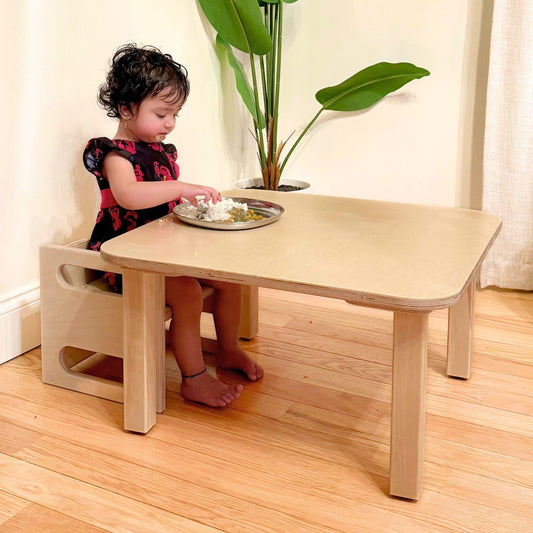
For example, adjustable shelving can accommodate books, toys, and school supplies over time. Activity tables can transition from art projects to homework stations. Open storage allows children to access materials independently while encouraging responsibility. A functional room doesn't need to be large. It simply needs to work well for the people using it.
Child-Friendly Homes Encourage Independence
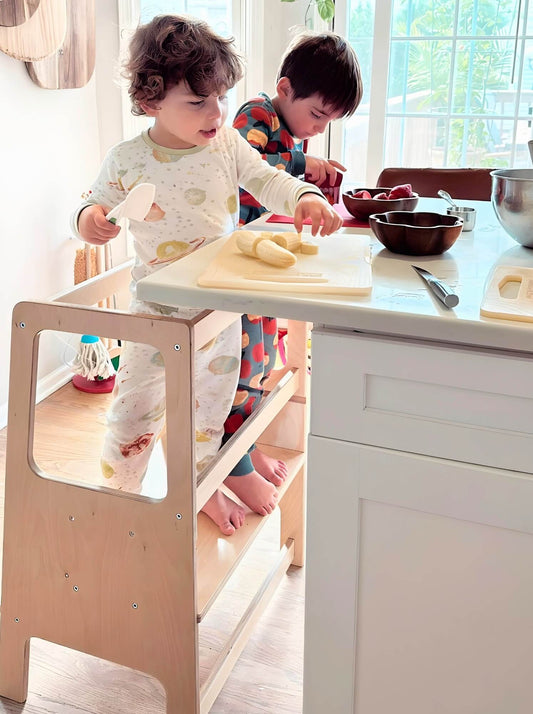
Modern parenting often emphasizes giving children opportunities to make choices and complete age-appropriate tasks independently. A thoughtfully arranged home supports this goal.
Keeping books within reach, placing everyday items at child height, and creating safe play areas allow children to participate more actively in daily routines. They learn confidence by dressing themselves, selecting activities, cleaning up after playtime, and helping with simple household responsibilities.
These small moments contribute to important life skills that extend well beyond childhood.
Making The Most Of Every Square Foot
Families living in apartments, townhouses, or compact homes frequently discover creative ways to maximize their available space.
Some practical ideas include:
- Using vertical storage to keep floors clear.
- Select beds with built-in drawers.
- Incorporating folding or expandable tables.
- Utilizing under-bed storage containers.
- Creating multipurpose family areas instead of separate specialty rooms.
Open floor space often proves more valuable than filling every corner with furniture. Children benefit from having room to build, create, play, and move freely. Thoughtful layouts can make even smaller homes feel spacious and welcoming.
Choosing The Right Home For Your Family
Finding a home isn't simply about the number of bedrooms or total square footage. Families increasingly consider factors such as neighborhood safety, school access, commute times, nearby parks, and opportunities for community involvement.
Affordability also plays an important role. Many families prefer securing housing that comfortably fits their budget, allowing them to spend more on experiences, education, and activities rather than stretching finances to maintain a larger property.
For families relocating to a new city, temporary housing or room rentals can provide flexibility while searching for a permanent home. Resources such as SpareRoom can make it easier to find a room in Queens New York or other major cities during that transition.
Creating Calm Through Simplicity
Children are constantly processing new information throughout the day. A calm home environment can help reduce unnecessary overstimulation.
Neutral color palettes, organized shelves, natural lighting, and clearly defined activity areas all contribute to a peaceful atmosphere. Rather than overwhelming children with excessive toys or decorations, many families focus on displaying a smaller selection of meaningful items.
Simple environments often encourage longer periods of focused play, creativity, and problem-solving. Parents benefit as well, since maintaining an organized home typically requires less time and creates fewer daily distractions.
Home Is About Connection, Not Size
Some of the strongest family memories happen in ordinary moments around the kitchen table, during bedtime stories, while building forts in the living room, or preparing meals together. These experiences don't depend on having the largest house on the block.
A functional home encourages family members to spend time together because shared spaces are comfortable, welcoming, and easy to use. Instead of constantly managing clutter or unused rooms, parents can devote more attention to their children. Intentional design also makes it easier to establish family routines, from homework time to shared meals and weekend activities.
Functional Living Supports Long-Term Well-Being
The growing interest in functional living reflects a broader understanding that homes should support the people who live in them.
When spaces are thoughtfully organized and adapted to family needs, everyday life becomes less stressful and more enjoyable. Children develop independence, parents gain greater peace of mind, and families spend less time managing possessions and more time creating meaningful experiences together.
Whether living in a spacious house or a modest apartment, families can create environments that foster learning, creativity, and connection. By focusing on thoughtful organization, flexible design, and intentional choices, parents can build homes that truly serve their family's needs, proving that the best family home isn't necessarily the biggest one, but the one that works best for the people who call it home.





 Off
Off
