


Why Thoughtfully Designed Family Spaces Encourage Curiosity And Lifelong Learning
Share
Children learn far more from their surroundings than many parents realize. The layout of a home, the accessibility of everyday items, and the opportunities to explore all contribute to children's development of curiosity, confidence, and problem-solving skills. A thoughtfully designed family space supports growth by encouraging children to ask questions, experiment, and engage with the world around them.
Creating a home that nurtures learning does not require expensive renovations or elaborate playrooms. Instead, it involves making intentional choices that promote independence, creativity, and meaningful family interactions. Every room can become a place where learning happens naturally.
The Home As A Child's First Classroom
Long before children enter a formal classroom, they begin learning from the environment around them. Every shelf they reach, every book they open, and every object they investigate helps build their understanding of how the world works. A well-designed home provides countless opportunities for these everyday discoveries.
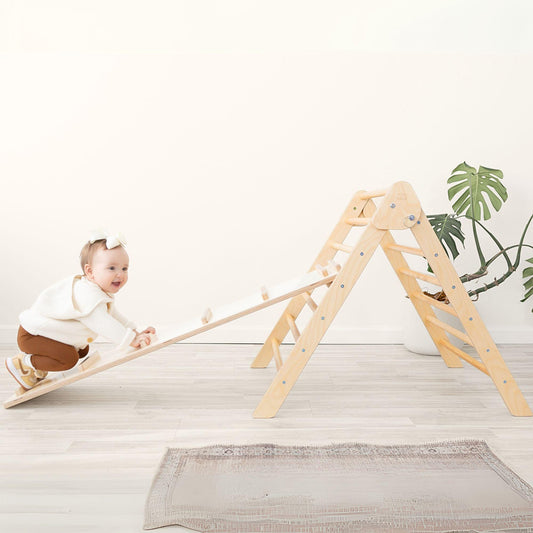
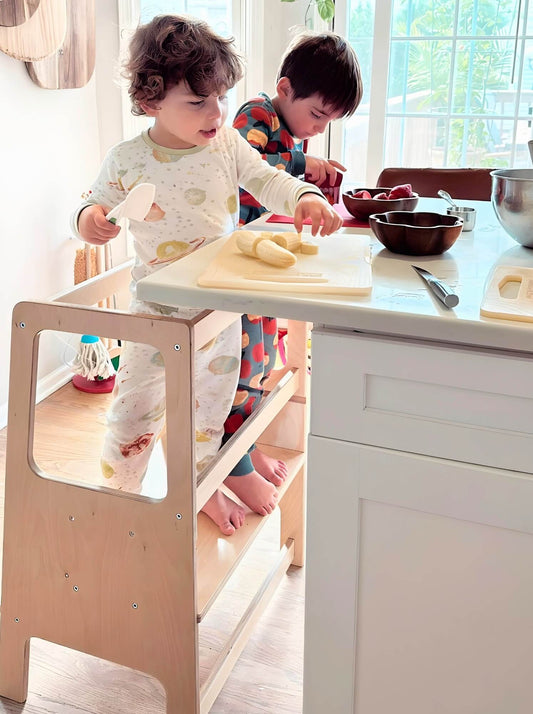
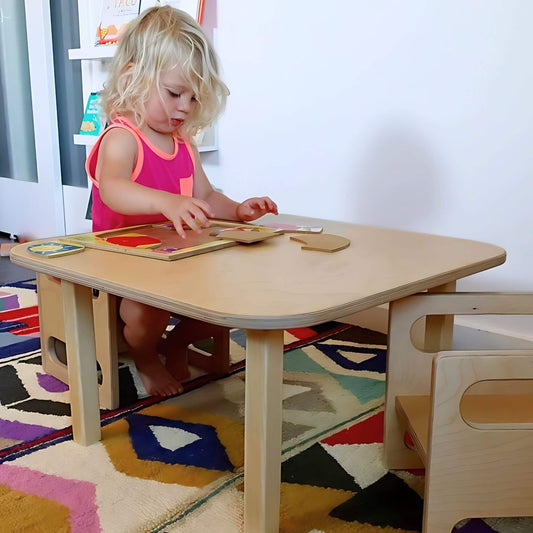
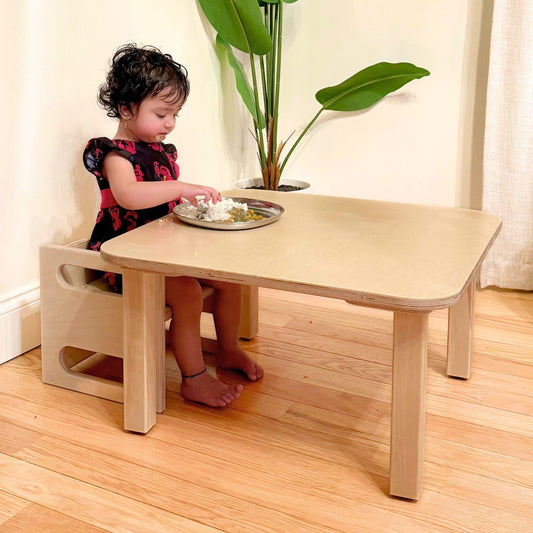
Simple adjustments can make a significant difference. Low bookshelves, accessible toy storage, child-sized tables and chairs, and organized activity areas encourage children to make choices independently. These experiences strengthen confidence while helping children develop responsibility.
Parents also benefit from an organized home. Clearly defined spaces reduce daily stress and allow families to spend more time exploring, reading, creating, and enjoying one another's company instead of constantly managing clutter.
Encouraging Independent Exploration
Children naturally want to investigate their surroundings. Rather than constantly directing play, thoughtfully designed environments allow children to safely make decisions on their own. This freedom supports both curiosity and critical thinking.
Accessible art supplies, puzzles, building materials, and age-appropriate books invite children to choose activities that interest them. As they follow their own interests, they become more engaged learners who enjoy discovering new ideas without needing constant instruction.
Independent exploration also teaches persistence. When children encounter small challenges during play, they learn how to solve problems through trial and error rather than expecting immediate answers.
Creating Spaces That Grow With Children
Children's interests change rapidly as they develop. Designing flexible spaces allows families to adapt without having to completely redesign rooms every few years. Furniture that serves multiple purposes and storage solutions that evolve alongside children's needs offer long-term value.
An art corner today may become a homework station in a few years. A reading nook can later transform into a quiet study area. Flexible layouts encourage continuous learning throughout childhood.
This adaptability also teaches children that spaces can evolve just as they do. They begin seeing their environment as something that supports new interests rather than limiting them.
The Importance Of Open-Ended Play
Open-ended play remains one of the most valuable learning experiences children can have. Toys and materials without strict rules encourage imagination, creativity, and problem-solving.
Building blocks become castles, bridges, cities, or spaceships depending on the child's imagination. Simple craft materials transform into inventions that reflect original thinking. These experiences help children develop flexible thinking that benefits them throughout life.
Thoughtfully designed spaces leave room for this type of creativity. Rather than filling every corner with highly structured toys, families can provide open areas where imagination takes the lead.
Bringing Nature Into Everyday Learning
Natural elements help children develop curiosity about science, seasons, weather, and living things. Indoor plants, natural light, wooden furniture, and outdoor views create calming environments while encouraging observation.
Families can also create small indoor gardening projects or nature display tables featuring leaves, rocks, pinecones, or shells collected during walks. These collections inspire questions and conversations that naturally support learning.
Outdoor play areas deserve equal attention. Gardens, patios, and backyards become extensions of the learning environment where children develop physical skills while exploring nature firsthand.
Outdoor spaces also benefit from regular upkeep. Keeping paths clear and trimming grass around borders can make these areas easier to use and maintain. Tools such as those in the Worx trimmer range are one option for this routine yard work.
Family Projects Create Meaningful Learning Opportunities
Children enjoy participating in age-appropriate household projects because they feel included in family life. Simple painting tasks, organizing shelves, planting gardens, or assembling furniture teach practical skills while building confidence.
These shared experiences also demonstrate that learning continues throughout adulthood. Children observe parents solving problems, planning projects, and developing new skills over time.
When adults take on more advanced home improvement projects, maintaining a safe environment becomes equally important. Parents who use premium welding products during fabrication or workshop projects demonstrate responsible safety habits while completing renovations that improve the family home. Although children should remain away from hazardous work areas, observing adults prioritize proper protective equipment reinforces valuable lessons about preparation and responsibility.
Montessori Principles In Everyday Family Living
Many families appreciate Montessori-inspired spaces because they emphasize independence, order, and respect for children's abilities. While not every household follows Montessori methods completely, many of its ideas can improve everyday family life.
Providing accessible storage allows children to return items independently. Displaying fewer toys at a time helps children focus more deeply on activities rather than becoming overwhelmed by too many choices.
Daily routines become smoother when children understand where things belong. This organization reduces frustration while encouraging responsibility from an early age.
Encouraging Conversation And Shared Discovery
Thoughtfully designed family spaces encourage meaningful interaction between parents and children. Comfortable seating areas, family reading corners, and shared activity tables create opportunities for conversation throughout the day.
Reading together remains one of the simplest ways to support lifelong learning. Children develop language skills while asking questions about stories, characters, and ideas. These conversations often extend well beyond the pages of a book.
Shared meals offer another valuable opportunity for learning. Children practice communication, listening, and social skills while participating in family conversations about daily experiences.
Balancing Comfort With Function
A beautiful family home should also support everyday living. Durable furniture, practical storage, washable materials, and flexible layouts make it easier for children to explore without parents constantly worrying about damage.
Functional design creates freedom. Children become more confident when they know their environment welcomes exploration rather than restricts it.
Parents also experience greater peace of mind when their homes balance safety, comfort, and practicality. This relaxed atmosphere encourages more positive family interactions and enjoyable learning experiences.
Supporting Lifelong Curiosity
Curiosity thrives when children feel safe, supported, and encouraged to explore their interests. A thoughtfully designed home provides countless opportunities for discovery through reading, creativity, conversation, and everyday family experiences.
The goal is not to create a perfect home but to build an environment that grows alongside the family. Small, intentional choices often have the greatest long-term impact on children's confidence, independence, and love of learning.
As children grow, the lessons they absorb from their surroundings remain with them. Homes that encourage exploration, responsibility, creativity, and meaningful family connections lay the foundation for lifelong learning that extends far beyond childhood.





 Off
Off
